Showing posts with label omega-3. Show all posts

Thursday, February 21, 2013

KHFP Week 16: Trade Up Your Oil

Now its time to cut back on the amount of oil used in your daily cooking and trade up to more healthier options. Even though oils are packed with calories and fat, some oils do have valuable vitamins, minerals and nutrients. These are not your ordinary everyday cooking oils used to fry foods. Instead, these oils come from nutrient dense sources. Because oils consist of mainly fat and calories you still have to use in moderation, even the healthier ones.

This is not an exhaustive list but it contains those oils that add healthful benefits as compared to ordinary cooking oils like vegetable oils, margarines and shortenings that just add nothing but fat and calories. What this means is you have to avoid fried foods like it’s the plaque. I love French fries and fried chicken too, but I tend to think of how much exercise I gotta do to work off that meal. So, its better to just avoid fried foods in general. It’s worth the sacrifice in the long run.

Oil makes things taste good and rich, it occurs naturally in seeds and nuts. If you are on a plant based diet there is no need for additional oils if consuming adequate amounts of seeds and nuts. If you want to lose weight you need to cut weigh back on oils, all kinds. Olive oil is the best of the oils but it has fat calories similar to butter so use it in small quantities. Olive oil is used extensively in vegetarian diets. Make a conscious effort not to drizzle oil all over everything, but if you do, make sure its one of the good ones. As a general rule, if the food looks slick and shiny then it probably has lots of oil in it which means lots and lots of extra calories. This is especially true for decadent desserts.


Instead of oils you can use cooking sprays, but only a little, do not coat the pan heavily because its really hard to quantify a serving size. The calories can easily add up using cooking sprays so check the label for the amount of calories per serving. Don’t be fooled because it’s a spray, and think you can coat the entire pan heavily. The goal here is to cut back on the amount of extra oil you are consuming daily. Since there is very little nutritional value in ordinary cooking oils, this week’s goal is to introduce oils that do have health benefits. All oils have lots of fat and calories so you still have to use them sparingly. There are plenty of alternatives to using oils, you can try sautéing with vegetable broth, wines or organic juices, season food with chopped or sun-dried tomatoes, fresh garlic, carmelized onions, vinegar or fresh fruit salsas. If these just don’t do the trick for you, then its time to trade up your oil. The thing to remember about why we consume oils is basically because of its slickness and richness, not so much for its nutritional value.


Wonderful Olive Oil

We will start off with the most well known and highly regarded of the healthful oils, which is Olive Oil. Olive Oil has a high concentration of monounsaturated fatty acids, which studies show promote "good" cholesterol (HDL) while lowering "bad" cholesterol (LDL). It is also known to be gentle on the digestive system. Good quality olive oil contains valuable vitamins and nutrients, and it is loaded with antioxidants which many believe help protect the body from cancer. Extra-virgin olive oil is the most digestible of the edible fats and it helps to assimilate vitamins A, D and K. It is noteworthy that olive oil has a beneficial effect in the dietary treatment of diabetes. In addition it helps control blood pressure and increases bone mass. There are several different classifications of olive oil which may seem confusing when trying to buy it.

The Four Classification Types of Olive Oil
These days there are an increasing array of organic and boutique olive oils offered for sale, some of them quite pricey. In general, the less processed an oil the more nutrients it contains, although the more expensive it tends to be.
 

Extra Virgin
Extra virgin olive oil comes from the first press only and is the highest quality olive oil with perfect flavor, aroma, and balanced acidity. This olive oil is less processed than Virgin olive oil and is very delicate in flavor. It’s perfect for salad dressings, marinades, and for dipping bread.


Cold Pressed Olive Oil
Cold pressed olive oil is an unregulated label description. Back when olive oil was pressed the second time using hot water and steam to extract the last drop, the heat during the second pressing took away the delicate flavors. Today, premium olive oil is cold pressed, which means the olive paste is gently warmed to room temperature to avoid losing taste and pressing is done in winter, when it’s cold, to further retain flavor. Most better brands are also advertised as "cold pressed," meaning they aren't heated up beyond room temperature during processing.


Virgin
Virgin means the olive oil was produced without any chemical additives, so it contains no refined oil. It has an acidity that’s less than 2%, so it tastes better. Virgin refers to the fact that the olive oil has been less handled or manipulated during processing. "Virgin" olive oil generally comes from the second pressing.


Regular, Pure or Light Olive Oil
“Regular” or "pure" olive oil has been chemically refined and filtered to neutralize both undesirable strong tastes and acid content. This olive oil is of lower quality and usually the least expensive. They have lower nutrient levels as a result. "Pure" olive oil is made by adding a little extra virgin olive oil to refined olive oil. It is a lesser grade oil that is also labeled as just "olive oil" in the U.S. "Light" olive oil is a marketing concept and not a classification of olive oil grades. It is completely unregulated by any certification organizations and therefore has no real precedent to what its content should be. Sometimes, the olive oil is cut with other vegetable oils.
 

How to care for your olive oil
Resist the temptation to place your beautiful bottle of olive oil on the windowsill. Light and heat are the #1 enemy of oil. Keep olive oil in a cool and dark place, tightly sealed. Oxygen promotes rancidity. Olive oil is like other oils and can easily go rancid when exposed to air, light or high temperatures.


Other Healthful Oils 
Many people are so use to using vegetable oil, canola oil, or Crisco for frying and fail to venture into using other more healthful oils. With these oils, high temperatures cause them to change molecular structure and oxidize. Some of us just may not know this and continue to reuse them anyway. Nowadays, we see oils already infused with herbs like Crisco’s new line of flavored oils. Cooking oils like Canola, Safflower or Peanut oils are good for frying and baking. Some of the oils highlighted in this health project do perform well under extreme heat and add flavor to your food as well as health benefits. But my reason for choosing these oils is not for frying but for sautéing, stir-frying, and especially for salad dressings.


Grape Seed Oil
Prized by chefs and popular in France for its neutral flavor and high smoke point, this polyunsaturated-rich oil is made from the seeds of wine grapes. Grape seed oil is adept at raising “good” cholesterol (HDL) and lowering LDL or “bad” cholesterol. Grapeseed oil has been found to improve heart health and it's high in protein and fiber. Studies suggest that Grape Seed Oil and its Extract constitute anti-inflammatory, anti-oxidant, anti-histamine, anti-aging, anti-allergic, antimicrobial, and adaptogenic activity. Therefore, it has been beneficial in the treatment of a number of health issues which include: arthritis, edema, dermatitis, acne, wrinkles, dry and itchy skin, age spots, sun burns, chapped lips, wounds, bruising, stretch marks, varicose veins, hemorrhoids, chronic venous insufficiency, premature aging, premenstrual syndrome (PMS), weight loss, stress, dandruff, hair loss, warts, cardiovascular diseases especially atherosclerosis, hypertension, high cholesterol levels, diabetes, visual impairment, cataract, and macular degeneration. Studies also suggest that its free radical scavenging activity may strengthen the immune system and reduce the risk of developing cancer. So, by trading up your oil to using grapeseed oil, internally or externally you will improve your overall health tremendously.

Taste: Clean, light flavor so it works well when you need a neutral-tasting oil to cook with
Uses: Frying, sautéing, stir-frying and other high-temperature cooking methods. Good for ethnic dishes and salad dressings
Storage: Opened, it will keep for up to a year in a cool, dry cabinet.


Coconut Oil
Coconut oil (a solid waxy white fat) is riding a wave of popularity among the health food crowd. Some reports suggest the saturated fats in coconut oil are not as damaging as the saturated fats in fatty meat or heavy cream. But expert opinion from the Academy of Nutrition and Dietetics and the American Heart Association still hold that oils high in saturates (this one is 86% saturated fat) are best limited. "But there are a lot of health benefits that go beyond just what kind of fat it is," Cates says. For instance, coconut oil is high in lauric acid, a nutrient our bodies need to help our immune systems. Coconut oil comes in a variety of forms, so you want to be sure you get the right kind. Extra-virgin centrifuged coconut oil has a light coconutty flavor, making it good for baking (if you want a little extra flavor in your cookies or cakes), whereas expeller-pressed coconut oil has no flavor at all and is a good substitute for butter or shortening.

Taste: light coconutty flavor with a hint of sweetness and vanilla
Uses: Sautéing, baking, making popcorn
Storage: Keeps at room temperature


Walnut Oil
Walnut oil contains Vitamins B-1, B-2, and B-3, Vitamin-E, Niacin and Vitamin C. The high concentration of alpha-linolenic acid (ALA) which is an omega-3 fatty acid that is converted to eicosapentaenoic acid (EPA), and docosahexaenoic acid (DHA), and is rich in omega-3 fatty acids(which are easily utilized by the body) and antioxidants are the reason walnut oil has cardio-protective benefits. The practical benefits of regular use are significant reductions in coronary heart disease risk, possible decreases in cancer risk and slowing of the aging process. A 35 gram serving of walnut oil provides the same nutritional benefits as 50 grams of walnuts. It is also known to help combat belly fat. When it is heated, it can become slightly bitter so its best used cold.

Taste: rich, nutty flavor
Uses: best used uncooked in cold sauces, unrefined walnut oil is terrific on salads, particularly when you combine it with bits of walnuts (add walnut oil to a chicken or turkey salad along with some grapes and chopped walnuts), toss freshly cooked pasta in a mixture of walnut oil and spices, or brush a thin coat of walnut oil on grilled fish and steaks just before serving, and to jazz up desserts for a nutty flavor!
Storage: cool, dark cupboard the shelf life is three months, keep refrigerated for optimal shelf life, it may solidify, if so let it sit at room temperature before using.


Flaxseed Oil
While it needs careful handling, the delicate golden colored oil extracted from flaxseeds offers vegetarians a wealthy bounty of plant-based polyunsaturated omega-3 fats (alpha linolenic acids or ALAs). Preliminary evidence suggests ALAs may help lower cholesterol. One hitch: the oil doesn’t let you tap into the cancer fighting fiber or lignan compounds found in the whole seeds. In health food stores, they now carry flavored flaxseed oil so you can experiment with different flavors. This oil is also best used cold, definitely not good for frying foods.

Taste: Subtle nutty flavor
Uses: Salad dressings, cold pasta salads, smoothies or any recipes that keep the oil at cold temperatures
Storage: Buy in small batches, keep refrigerated, and use quickly


Wheat Germ Oil
Wheat germ oil is an unrefined oil that is obtained from the embryo or germ of the wheat kernel. It has a thick consistency, strong aroma and is a light yellow, fat soluble natural oil. The benefits of wheat germ oil stem from the fact that it contains almost 25% of the total proteins, vitamins and minerals of the wheat grain. It is the richest source of Vitamin E (a rich source of the complete vitamin E complex and phytosterols) than any other vegetable oil. It also has a high content of Vitamin A, Vitamin D as well as Vitamins B1, B2, B3, B6, F, and essential fatty acids. Other benefits of wheat germ oil is it contains lecithin, plus its antioxidant properties, its effect in strengthening the immune system and restoring overall health. Wheat germ also supports the body's function during exercise.

Taste: mild flavor
Uses: taken orally as a supplement, use it to enhance taste of various recipes use as salad dressings, drizzle it over pasta or steamed vegetables.
Storage: It should be kept away from high temperatures because if exposed to extreme temperatures, it may turn rancid. However, if kept properly, the shelf life of wheat germ oil can be extended up to a few months.


Other oils you may not be familiar with and should get to know is sesame oil, hemp oil, avocado oil, pistachio oil and macadamia nut oil. The list has grown in numbers in recent years because people are beginning to realize the benefits of using these oils. All these different kinds of oils are better than your ordinary cooking oil used to deep fry foods. They add flavor and variety to your healthy dishes and provide unlimited ways to spice up any dish. Keep in mind that, like wine, healthier oil can vary in flavor depending on how they are harvested, processed, and bottled. Less processing (cold-pressing) typically yields richer more robust flavors. More processing equates to a blander or more neutral oil. And once you’ve made your selection, handle oils carefully. The healthier oils that contain monounsaturates and polyunsaturates are delicate. A good general rule of thumb is to store healthy oils in a cool cupboard away from light and heat. What happens if you don’t? Fatty acids in the oil can oxidize making the oil taste bitter or rancid.


While doing my research for the last couple of posts, I’ve been finding so much material, it has put me behind a little. I have found that many of the sites doing health projects, only give you vague information or descriptions and lack real examples. I try my hardest to fill this void by providing actual workouts, meals, and schedules or telling you what to look for when trading up to a healthier version. I know my information my seem a little long winded but I hope it does more than just provide snippets of information. When I visit a health and fitness project site I want to know how I can realistically use the information and put it into action. For instance, if they say eat 1500 calories daily for weight loss, I want to know how to put it together. Hopefully, now that you have come across this health and fitness project, it has given you a workable game plan for losing weight and has provided you with actual examples, motivation and knowledge.  By no means is the information meant to be a substitute for sound medical advice, but instead is meant to increase your knowledge base concerning eating healthy and losing actual weight.


Assignment
Since the list of healthy oils is lengthy and some did not make this post, doesn’t mean they are less beneficial. However, your assignment is to locate at least three oils not profiled here and determine their health benefits, taste, uses and storage. Also, determine how you can add them to your daily menu (in moderation of course) over the next few weeks.


Weekly Checklist
Drink 8 glasses of water every day
Eat a Hearty Healthy breakfast
Get movin’ by walking or aerobics
Eat an Apple or Pear everyday
Say no to your poison, ditch the junk food
Go a little nuts by eating a handful of nuts
Toss Up a Big Bowl of Salad
Take Your Vitamins
Pump It Up!!!
Trade Up Your Drinks
Sprinkle Some Flax on It
Abs are made in the kitchen
Trade Up Your Dairy
Grab a Superfood
Plan Your Healthy Day
Trade Up Your Oil


References
“The Lean - A Revolutionary and Simple 30 Day Plan for Healthy, Lasting Weight Loss” by Kathy Freston
“The Health Benefits of Olive Oil” Published on December 29, 2008 by Dr. Edward F. Group III, DC, ND (Refer to this site for Seven Uses for Organic Olive Oil)
http://www.globalhealingcenter.com/natural-health/benefits-of-olive-oil/
“8 Surprising Uses for Olive Oil” By Brian Clark Howard, (Refer to this site for different uses for olive oil, as well as vinegar, vodka and ketchup)
http://www.thedailygreen.com/green-homes/latest/olive-oil-benefits-uses-460609
Olive oil's health benefits
http://www.healingdaily.com/detoxification-diet/olive-oil.htm
“Properties and Benefits of Olive Oil”
http://www.olioeolivestore.com/properties-benefits.html
“8 Alternative Healthy Cooking Oils” by Maureen Callahan, MS, RD, (this site has recipes for using some of these oils)
http://www.myrecipes.com/healthy-diet/alternative-healthy-cooking-oil-00420000011357/
4 Alternative Cooking Oils That Belong in Every Kitchen by Emily Main
http://www.rodale.com/good-fats?page=0,1
“Grape Seed Oil Health Benefits”, (refer to this site for other uses of grapeseed oil)
http://www.homeremediesweb.com/grape-seed-oil-health-benefits.php
“Health Benefits of Walnut Oil!”
http://www.seedsofsustainability.org/uncategorized/health-benefits-of-walnut-oil/
“Health Benefits of Walnut Oil” by Dr. Linda Posch MS SLP ND
http://whatscookingamerica.net/LindaPosch/WalnutOil_HealthBenefits.htm
“Benefits of Wheat Germ Oil” by Debopriya Bose
http://www.buzzle.com/articles/benefits-of-wheat-germ-oil.html


Picture Sources
Healthy Oils
Olive Oil
Grapeseed oil
Coconut Oil
Walnut Oil
Flaxseed Oil
Wheat Germ Oil



Monday, January 14, 2013

KHFP Week 11: Sprinkle Some Flax on It


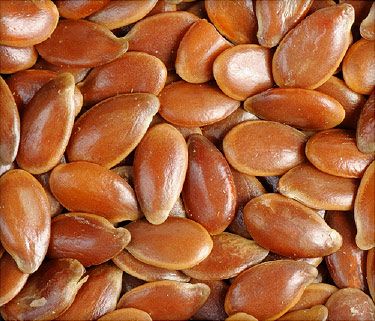
Flaxseeds are found to be a beneficial source of fiber. It is a good health arsenal to have on your quest for weight loss, weight management and overall good health. Many people have no idea what flaxseeds are and therefore do not incorporate these beneficial seeds into their diet. I used to think that flaxseeds were eaten by only vegetarians or health fanatics. What I didn’t know probably did hurt me, especially now, as a women over forty. As women reach that forty year milestone, our bodies begin to change in a way that is unique for each individual. But, there are some shared or common issues that affect women as a whole. By eating a healthier diet many of these issues can be lessened or eliminated. This can be accomplished by being proactive and eating a healthy balanced diet. Choosing to make small changes by consuming things like flaxseeds can help.   


Benefits of eating ground flaxseeds:

There are many health benefits to be gained by eating ground flaxseeds. Researchers have found that these tiny seeds can be very beneficial in fighting several health conditions. The health industry has taken notice as well and have started adding them to many products. But, for most people, we are oblivious as to why flaxseeds are showing up in more and more products. Here are just a few health conditions that flaxseeds help fight against.


Cancer
Recent studies have suggested that flaxseed may have a protective effect against breast cancer, prostate cancer, and colon cancer. At least two of the components in flaxseed seem to contribute, says Kelley C. Fitzpatrick, director of health and nutrition with the Flax Council of Canada.


Cardiovascular Disease
Research suggests that plant omega-3s help the cardiovascular system through several different mechanisms, including anti-inflammatory action and normalizing the heartbeat. Fitzpatrick says new research also suggests significant blood pressure-lowering effects of flaxseed. Those effects may be due to both the omega-3 fatty acids as well as the amino acid groups found in flaxseed. A study of menopausal women showed a decrease in LDL level after the women ate 4 tablespoons of ground flaxseed each day for a year. Fitzpatrick says the cholesterol-lowering effects of flaxseed are the result of the combined benefits of the omega-3, ALA, fiber, and lignans.


Diabetes
Preliminary research also suggests that daily intake of the lignans in flaxseeds may modestly improve blood sugar as measured by hemoglobin A1c blood tests in adults with Type 2 Diabetes.


Hot Flashes
One study of menopausal women, published in 2007, reported that 2 tablespoons of ground flaxseed mixed into cereal, juice, or yogurt twice a day cut their hot flashes in half. The intensity of their hot flashes also dropped by 57%. The women noticed a difference after taking the daily flaxseeds for just one week and achieved the maximum benefit within two weeks.


Why should you eat flaxseeds? 

Flaxseeds are found in all kinds of today's foods from crackers to frozen waffles to oatmeal. The Flax Council estimates close to 300 new flax-based products were launched in the U.S. and Canada in 2010 alone. Not only has consumer demand for flaxseeds grown, agricultural use has also increased. Flaxseeds are what's used to feed all those chickens that are laying eggs with higher levels of omega-3 fatty acids. Although flaxseeds contains all sorts of healthy components, it owes its primary healthy reputation to three of them:


  • Fiber: Flaxseeds contains both the soluble and insoluble types.
  • Omega-3 essential fatty acids: "good" fats that have been shown to have heart-healthy effects.  Each tablespoon of ground flaxseeds contains about 1.8 grams of plant omega-3s.
  • Lignans:which have both plant estrogen and antioxidant qualities. Flaxseeds contain 75 to 800 times more lignans than other plant foods.

Ground flaxseeds are bulk fiber, that is high in soluble and insoluble fiber. Soluble fiber absorbs water, it expands to form a gel-like substance which makes it take loner for your food to digest. Insoluble fiber is roughage, it pushes things through the digestive system. Flaxseeds are low in carbohydrates, high in B vitamins, an excellent source of omega-3 fatty acids, omega-6 and a concentrated source of lignans (a cancer fighting compound). Flaxseeds lower bad cholesterol levels, improve blood pressure, control hot flashes, and also works for enlarged prostate symptoms.


Flaxseeds are commonly used as a laxative to improve digestive health or relieve constipation. Both flaxseeds and flaxseed oil have been used to help reduce total blood cholesterol and low-density lipoprotein (LDL, or "bad") cholesterol levels and, as a result, may help reduce the risk of heart disease. Although flaxseed oil also contains omega-3 fatty acids, it doesn't have the beneficial fiber that the seeds have.


Flaxseeds are high in lignans or phytochemicals and include many antioxidants. It is perhaps our best source of lignans, which convert in our intestines to substances that tend to balance female hormones. There is evidence that lignans may promote fertility, reduce peri-menopausal symptoms, and possibly help prevent breast cancer. In addition, lignans may help prevent Type 2 diabetes. Note that flaxseeds need to be ground to make the nutrients available otherwise they just “pass through” your system undigested. Flaxseed oil alone contains neither the fiber nor the phytochemicals that are present in ground flaxseeds.


How to add flaxseeds to your diet:

Although the Institute of Medicine has not set a recommended daily intake for omega-3 fatty acids, it has established adequate intake amounts of between 1.1 and 1.6 grams a day for adults. One tablespoon of ground flaxseed provides 1.8 grams of omega-3 fatty acids. Add ground flaxseeds to any food, it has a sweet nutty flavor. Add 2 tablespoons of ground flaxseeds somewhere in your daily meals. Whole flaxseeds will pass through your system not allowing you to reap the full benefits. So be sure to buy ground flaxseeds or flaxseed meal. You can also buy them whole and grind them yourself. You can take the full 2 tbsp all at once or break it up over several meals to make them more fulfilling and help guard against the munchies.


Here are a few Tips for including ground flaxseeds in your diet:
Add them to your breakfast rice or oatmeal
Add to your smoothies
Add to your salads
Add to soup, stews and casseroles
Add a tablespoon of ground flaxseed to your hot or cold breakfast cereal.
Add a teaspoon of ground flaxseed to mayonnaise or mustard when making a sandwich.
Mix a tablespoon of ground flaxseed into an 8-ounce container of yogurt.
Bake ground flaxseeds into cookies, muffins, breads and other baked goods.

As you can see, there are many ways you can begin to add ground flaxseeds into your daily meals. Be creative, make it a habit to find new ways that you can sneak in some ground flaxseeds. But, try and stick to recommended 2 tbsp. With all things, moderation is the key, because there can be some side effects if you overdose just like with some vitamins. Do your due diligence, because some research has determined that up to 4 tbsp daily can be just as effective with no known side effects.

There is plenty of information out there on the benefits of eating flaxseeds, where to buy them, how to store them and which ones to buy. Always try and make sure you buy certified organic.


Here are some basic tips for using, buying, and storing flaxseed:
 

  1. Buy either brown or golden flaxseed:  Golden flaxseed is easier on the eyes, but brown flaxseed is easier to find in most supermarkets. There is very little difference nutritionally between the two, so the choice is up to you.
  2. Buy it ground or grind it yourself: Flaxseed, when eaten whole, is more likely to pass through the intestinal tract undigested, which means your body doesn't get all the healthful components. If you want to grind flaxseed yourself, those little electric coffee grinders seem to work best.
  3. Milled, ground or flax meal: Don’t be confused by the different product names for ground flaxseed, milled or ground flaxseed is the same thing as flax meal.
  4. Find it in stores or on the Internet:  Many supermarket chains now carry ground flaxseed (or flax meal). It’s usually in the flour or "grain" aisle or the whole-grain cereal section and is often sold in 1-pound bags. You can also find it in health food stores or order it on various web sites.
  5. Check the product label:  When buying products containing flaxseed, check the label to make sure ground flaxseed, not whole flaxseed, was added. Flaxseed is a featured ingredient in cereals, pasta, whole grain breads and crackers, energy bars, meatless meal products, and snack foods.
  6. Add flaxseed to a food you habitually eat:  Every time you have a certain food, like oatmeal, smoothies, soup, or yogurt, stir in a couple tablespoons of ground flaxseed. Soon it will be a habit and you won’t have to think about it, you’ll just do it.
  7. Hide flaxseed in dark, moist dishes:  The dishes that hide flaxseed the best are dark sauces or meat mixtures. No one tends to notice flaxseed when it's stirred into enchilada casserole, chicken parmesan, chili, beef stew, meatloaf, or meatballs. For a 4-serving casserole, you can usually get away with adding 2 to 4 tablespoons of ground flaxseed. For a dish serving 6 to 8, use 4 to 8 tablespoons.
  8. Use it in baking:  Substitute ground flaxseed for part of the flour in recipes for quick breads, muffins, rolls, bread, bagels, pancakes, and waffles. Try replacing 1/4 to 1/2 cup of the flour with ground flaxseed if the recipe calls for 2 or more cups of flour.
  9. Keep it in the freezer:  The best place to store ground flaxseed is the freezer. Freeze pre-ground flaxseed in the bag you bought it in or in a plastic sealable bag if you ground it yourself. The freezer will keep the ground flax from oxidizing and losing its nutritional potency.
  10. Whole flaxseed keeps longer:  The outside shell in whole flaxseed appears to keep the fatty acids inside well protected. It’s a good idea to keep your whole flaxseed in a dark, cool place until you grind it. But as long as it is dry and of good quality, whole flaxseed can be stored at room temperature for up to a year.
  11. Oxidation/Rancidity:  The oil in flax is highly unsaturated. This means that it is very prone to oxidation (rancidity) unless it is stored correctly. The very best way is nature’s own storage system –- within the seed. Flaxseeds not exposed to large amounts of heat stay safe to eat for at least a year. However, flax meal, and especially flax oil, are a different story. The meal, stored away from heat and light, will keep fresh for a few months, and the oil must be protected by refrigeration in dark containers, preferably being consumed within a few weeks of opening. So, buy the oil in small amounts.Actually, the surprising thing about flax is not that the oils go rancid, but that they don’t go rancid as quickly as we would think, considering how unsaturated they are. The oils are quite stable when the seeds are used in baked foods, for example. Researchers theorize that this is due to the high levels of antioxidants in the seeds.


Refer to the “Frequently asked questions about Flax” website to get more answers concerning flax that you may still have.


For Kandie's Health and Fitness Project, you have yet another healthy tweak you can begin to add to your daily menu to give you an advantage in your weight loss efforts. The little things you add to your meals can sometimes have the biggest impact. Consuming ground flaxseeds by essentially hiding them in your meals gives you more bang for your buck (efforts), yet not making a drastic change in what you are eating. The process, if done slow and steady, should give both your mind and your body time to adjust to a different way of eating that is healthier than your previous eating habits. Practice makes perfect even when learning how to eat healthy. Therefore, don’t beat yourself up if you don’t do everything everyday during this project, but be sure to do as many as you can. Once you begin to eat more fruits, vegetables, nuts & seeds, whole grains and beans you might find out that these foods actually have more flavor (I did, especially 12-15 whole grain breads. Regular wheat bread won‘t do anymore). Adding ground flaxseeds to your meals or snacks is a simple way to incorporate a small but powerful addition to a healthier lifestyle. So, go ahead and sprinkle some flax on it.


Remember that each week builds on the previous week. This means that everyday you should be incorporating each of the weekly checklists into your daily meals. Some of these tweaks may take you a little longer to break into, but put forth an honest effort and you will feel better and healthier. Plus, you will begin to lose weight and get to your ideal body weight without feeling deprived or overwhelmed.
 

Assignment
Your assignment is to add ground flaxseeds to at least three things you eat this week as a primer. But in the following weeks you will add ground flaxseeds to at least one meal everyday. You can start off by adding just one teaspoon to your cereal or yogurt so you can discover how it tastes. Sprinkle it on a muffin or bake it in. But of course you will work your way up to 2 tbsp daily as quickly as your taste buds will allow. For some people, 2 tbsp in one food item is too much, so play with it.


Weekly Checklist
Drink 8 glasses of water every day
Eat a Hearty Healthy breakfast
Get movin’ by walking or aerobics
Eat an Apple or Pear everyday
Say no to your poison, ditch the junk food
Go a little nuts by eating a handful of nuts
Toss Up a Big Bowl of Salad
Take Your Vitamins
Pump It Up!!!
Trade Up Your Drinks
Sprinkle Some Flax on It


References
“The Lean - A Revolutionary and Simple 30 Day Plan for Healthy, Lasting Weight Loss” by Kathy Freston
“Frequently asked questions about Flax”
http://www.healthyflax.com/flax-faq/
"The Benefits of Flaxseed: Is flaxseed the new wonder food? Preliminary studies show that it may help fight heart disease, diabetes and breast cancer.” by Elaine Magee, MPD, RD, WebMD Expert Column
http://www.webmd.com/diet/features/benefits-of-flaxseed
“Ground flaxseed: Better than whole? Does ground flaxseed have more health benefits than whole flaxseed?” By Katherine Zeratsky, R.D., L.D. Mayo Clinic Nutritionist
http://www.mayoclinic.com/health/flaxseed/AN01258
“Flax Seed: The Low Carb Whole Grain Nutrition, Health Benefits of Flax Seed” by Laura Dolson at About.com Guide
http://lowcarbdiets.about.com/od/whattoeat/a/flaxinfo.htm


Picture Sources:
Ground Flaxseeds (bag):
https://encrypted-tbn0.gstatic.com/images?q=tbn:ANd9GcS3RLTb4tf4BFdtXnJcSiiW6EhZPKwbgyXQIq-eqa4XJlrEsMoMCrK3rvJm
Bulk Ground Flaxseeds
https://encrypted-tbn1.gstatic.com/images?q=tbn:ANd9GcQe8ovH8G72brU4I5x4IaZU-esP4Qq38Y6_DEt_fy4N8Tdbd4xQ_d262EQ
Flaxseed Oil
https://encrypted-tbn2.gstatic.com/images?q=tbn:ANd9GcRX-Mk4_NWIzbgMX1bzctmsB_v4xDmMHU5cBLgeBSim-Ciw4_XIJqUXU4Y
Flaxseeds
http://img.webmd.com/dtmcms/live/webmd/consumer_assets/site_images/article_thumbnails/features/benefits_of_flaxseed_features/375x321_benefits_of_flaxseed_features.jpg


Disclaimer: This article is meant only to provide information. It should not be substituted for expert medical advice.

Monday, December 24, 2012

KHFP Week Eight: Time to Take Your Vitamins

Today’s society, is fast paced and always in a hurry to get things done. This is especially true when it comes to getting proper nutrition. Ultimately it has had an effect on our overall health. Modern ways of processing and cultivating our food has resulted in a lack of vital nutrients and minerals in our soil. Therefore, it has become necessary to find ways to supplement these vital vitamins and minerals. But, when it comes to weight loss getting the proper vitamins is essential in helping along the process. Individual needs vary, but everyone can benefit from getting the right vitamins and minerals for their specific needs. Women have distinctly different vitamin needs when compared to men. Women over forty have even more special vitamin needs as they age.


Several major changes take place in a woman's life at 40; menopause being the most significant one. After this age, women may also be at a greater risk of suffering from osteoporosis and heart diseases. Women also experience constant fatigue and lack of energy during this phase of life. One of the ways to overcome and prevent this is to have a healthy diet with essential vitamins and minerals. At this stage of life, relying only on diet in order to gain all the nutrients may not be sufficient due to the lack of nutrients in our current food supply.
 

What are vitamins, anyway?
Vitamins are essential chemicals that take part in all your body's processes. They do that by participating in reactions inside cells. Each vitamin performs a specific function in the body, and no single food contains all the vitamins you need. So you need to get vitamins from the foods you eat or from vitamin supplements. The need for certain vitamins varies according to your stage of life. When you don't get enough of a particular vitamin you need, you run the risk of serious health problems. Many women know that eating five servings of fruits and vegetables each day is a good way to get their essential vitamins. Most women, though, don't eat the quantity of fruits and vegetables that are recommended. As a result, many women in every age group are at risk of vitamin deficiencies.


Fat-Soluble Vitamins vs Water-Soluble Vitamins
Vitamins are usually classified according to whether they are fat soluble or water soluble. Vitamins A, D, E, K, and CoQ10 are fat soluble. The B vitamins as well as vitamin C are water soluble. Fat-soluble vitamins need the presence of fats and certain minerals to be absorbed by the digestive system, and are stored mainly in the liver and fatty tissues. Since they are stored in the body, they do not need to be consumed as regularly as water soluble vitamins, but pose greater risk of toxicity when taken in excess. Water-soluble vitamins, on the other hand, are not stored in the body in significant amounts. They are normally readily excreted in urine, and so must be replenished into the body daily to avoid being depleted. They are also more easily lost in cooking.


Essential Vitamins & Minerals to Aid in Weight Loss & More

Vitamin A
Benefits:  helps prevent eye problems and improves your eyesight , promotes and regulates a healthy immune system, is essential for the growth and development of cells, keeps skin healthy and helps in keeping off infectious diseases. Vitamin A, in older women, is required for healthy functioning of the epithelial cells in the body.
Food Sources:  milk, eggs, liver, fortified cereals, darkly colored orange or green vegetables (such as carrots, sweet potatoes, pumpkin, and kale), and orange fruits such as cantaloupe, apricots, peaches, papayas, and mangos.


B Vitamins
All B vitamins are important to a woman's health. However, three vitamins in particular -- vitamins B6, B12 and folic acid -- are especially important. These B vitamins are essential to brain function, red blood cell formation, and building DNA. Except among alcoholics or other severely malnourished people, B vitamin deficiency is rare. When it does occur, B vitamin deficiency can cause irritability, depression and confusion. It can also cause tongue and mouth inflammation.  This vitamin is very important in case a woman plans for pregnancy after 40. Folic acid (a “B” vitamin) is essential to have a healthy pregnancy and avoid birth defects. In other cases, vitamin B is essential for the production of red blood cells, for enhancing immunity and also for energy production. B complex vitamins are also necessary to avoid memory problems. 
 

Vitamin B6 (pyridoxine)
Benefits:  It's important for metabolism and also for brain function. Vitamin B6 is one of the few water-soluble vitamins that can be toxic if taken in large doses. So eating healthy foods with vitamin B6 is usually the best way to get it. Vitamin B6 deficiency can result in a form of anemia. Although some older adults have low levels of vitamin B6, true deficiency is rarely seen.
Food sources:  avocado, banana, beans, cereal, meats, oatmeal, poultry, seeds.

Vitamin B12
Benefits:  is important for metabolism, normal cell division, protein synthesis, gives you energy and good for the nervous and digestive systems. B-12 taken under the tongue or in spray form is better absorbed. Anemia is one of the most common consequences of vitamin B-12 deficiency. But, also a lack of B-12 can cause memory loss, disorientation and tingling in the arms and legs. Vegetarians of all ages are at risk of deficiency and may benefit from a daily vitamin B-12 supplement. Vitamin B-12 levels can be measured by a blood test. If you're over age 50, you may have difficulty absorbing vitamin B-12 in its natural form because of changes in the stomach. You may need three-monthly injections of vitamin B-12. Your doctor can advise you if a blood test or supplement is needed.
Food sources:  include cheese, eggs, fish, meat, milk, and yogurt.


Vitamin C (also called ascorbic acid)
Benefits:  is needed to form collagen, a tissue that helps to hold cells together. It's essential for healthy bones, teeth, gums, blood vessels and is required to build a strong immunity system. It helps the body absorb iron and calcium, aids in wound healing, and contributes to brain function. Vitamin C plays an important role in the prevention of Alzheimer's disease by functioning as an antioxidant.
Food Sources:  red berries, kiwi, red and green bell peppers, tomatoes, broccoli, spinach, and juices made from guava, grapefruit, and orange.


Vitamin D
Benefits:  strengthens bones because it helps the body absorb bone-building calcium. It helps boost your immune system, reduces risk of serious diseases, and is helpful in preventing degenerative diseases as well as a cold or flu. The recommended dose is 1,000-2,000 IU daily. Vitamin D is usually categorized as a fat-soluble vitamin. However, it actually functions as a hormone in the body that helps activate calcium and phosphorus into the bloodstream which are important minerals for keeping bones strong. Because calcium and vitamin D are closely linked, many doctors recommend that older people, especially postmenopausal women, take a combined calcium and vitamin D supplement.
Food Sources:  This vitamin is unique — your body manufactures it when you get sunlight on your skin! You can also get vitamin D from egg yolks, fish oils, and fortified foods like milk.


Multi-Vitamins
A multivitamin has a broad range of vitamins that can help close the gap in the weight loss process. Avoid a multivitamin that has both calcium and iron (iron can block calcium uptake). Get one that is mostly organic and food-grown. Also, you can get it in capsule or gel form, not made from gelatin (which is made from skin and bones of pigs, cows or horses). Check your multivitamin, it may have enough B-12. One of the best multivitamins for women of all ages is prenatal vitamins. Make sure your multivitamin has the recommended dosage for your age and your vitamin needs.


Calcium & Magnesium
Apart from the above mentioned vitamins, minerals like calcium and magnesium are also very essential. Calcium helps in maintaining healthy bones and teeth. Along with vitamin D, it also helps in the prevention of osteoporosis. It is recommended to talk to your doctor in case you are taking any prescription medication, as the effectiveness of calcium interferes with prescription medicines. Some women may also require magnesium as it helps in calcium absorption in the body.  Calcium all alone can be constipating, but the magnesium will help with that. Also, magnesium relaxes your arteries so that you won’t get heart problems from the calcium. Calcium all alone can be constipating, but the magnesium will help with that. Also, magnesium relaxes your arteries so that you wo because animals are ingested with antibiotics to make them grow faster and stay alive longer. Probiotic replenishment helps fight off unfriendly pathogens. Flatten your stomach by taking probiotics as well as digestive enzymes. Choose a probiotic with as high a count of live bacteria as you can find and keep in the fridge since they are live organisms. Take your probiotic on an empty stomach.


How to Handle Taking Your Vitamins for Maximum Results:

  • Take your multivitamin, vitamin D and Omega-3 with breakfast or lunch.
  • Probiotics should be taken on an empty stomach.
  • Take your iron at least 2 hours away from your multivitamin and before a meal.
  • You can take vitamin B-12 and other vitamins anytime usually with a meal.
  • It is recommended that you take 600mg of Calcium and 400mg of Magnesium at least two hours apart from taking other pills.
  • Drinking plenty of water helps act as a solvent for many vitamins and minerals and carries nutrients into and waste out of cells.


Note that vitamin supplements (multivitamins) should be taken only after consulting your doctor. Taking excess vitamins can lead to an overdose, and hence, they should be taken only in prescribed or recommended amounts. You should remember that it is necessary to go for multivitamins that fulfill the body’s requirements of vitamins. You can research the market to find the best multivitamin. Also, check out “The Vitamin Bible” by Earl Mindell, it has been the go to source for vitamins for years. The book provides valuable information about a wide range of vitamins. I even remember doing a book report based on The Vitamin Bible when I was in high school over 20 years ago (I got an “A”).


Disclaimer: This article is meant only to provide information. It should not be substituted for expert medical advice.


Weekly Checklist
Drink 8 glasses of water every day
Eat a Hearty Healthy breakfast
Get movin’ by walking or aerobics
Eat an Apple or Pear everyday
Say no to your poison, ditch the junk food
Go a little nuts by eating a handful of nuts
Toss Up a Big Bowl of Salad


Assignment
This week you should add to your list of new habits, your choice of vitamins. Your assignment is to jot down things you want to address concerning your health. For instance, eye problems, belly fat, ward off osteoporosis, energy, high blood pressure etc.. Then determine which vitamins you need for which ever health issues you want to address. There are dozens of sources you can reference in order to find the right vitamin or mineral for your needs. One of the best sources would be your doctor of course. As with anything you buy, you get what you pay for, so don’t buy the cheap stuff. It doesn’t have to be the most expensive but do make sure you go for the certified organic or certified vegetarian or vegan brands.


References
Best Multivitamin for Women Over 40 by Madhura Pandit
http://www.buzzle.com/articles/best-multivitamin-for-women-over40.html
“Essential vitamins for women at every age”
http://women.webmd.com/guide/essential-vitamins-for-women-at-every-age
Health Supplements Nutritional Guide
http://www.healthsupplementsnutritionalguide.com/vitamin-list.html
Teen Health from Nemours reviewed by Mary L. Gavin, MD
http://kidshealth.org/teen/misc/vitamin_chart.html
4 Supplements Every Woman Over 40 Needs, by Dr. Oz Fans
http://www.drozfans.com/dr-ozs-advice/dr-oz-4-supplements-every-woman-over-40-needs/
“The Lean - A Revolutionary and Simple 30 Day Plan for Healthy, Lasting Weight Loss” by Kathy Freston

Picture Sources
Vitamins & Minerals 
http://images.betterworldbooks.com/031/Vitamins-and-Minerals-Kroner-Zina-9780313382246.jpg
Omega-3
http://lifeforceinhealth.com/images/health_nutrition/minerals_vitamins.jpg
Vitamins & Minerals
http://images.betterworldbooks.com/031/Vitamins-and-Minerals-Kroner-Zina-9780313382246.jpg