How many times have you heard someone say “I don’t have the willpower to lose weight”. You may even say this yourself. What you're really saying is that you think its hard to lose weight without some kind of help. If you are a woman over forty, this may be true because of the many changes that a woman goes through as she approaches menopause. However, there is a way to overcome this obstacle that doesn't require sheer willpower.
It is hard to lose weight, but not because you don’t have willpower. Willpower is one the biggest excuses for not losing weight, it’s the easy way out because it does take some effort to start seeing results. Society has even made not having willpower acceptable by promoting products and gimmicks (the magic pill) that say you can lose weight quickly and easily without changing your current diet and you don’t have to exercise. Everyone who has struggled to lose weight secretly yearns for that magic pill, or surgery to rid them of their excess weight becasue, lets face it, it does take willpower (???). We live in a fast paced society where we want unrealistic results in a very short time. We say who needs willpower when I can take this diet pill, get liposuction or gastric bypass surgery. Of course, there is always an exception in extreme circumstances. But, with these solutions, you never overcome willpower and soon the weight creeps back if you are not careful. This is where skill-power comes into play.
Unlike willpower wich is essentially an excuse not to try (for the most part), skill-power gives you a better than average chance of losing weight successfully. Skill-power is having the knowledge of healthy habits that turn on your fat-burning switches to help melt away excess fat in a systematic way that bypasses the notion of willpower. If you are equipped with skills that allow you to effortlessly incorporate healthy habits into your daily routine over a period of time, then there is no need for willpower. By switching to a healthy lifestyle rather than focusing on the latest fad diet, you give yourself a greater chance at maintaining a healthy weight.
Skill-Power For A Leaner Healthier You
Healthy skills can be learned by anyone at any age. The only way to achieve sustainable weight loss is to plan to lose weight long term. Too many times we follow the latest weight loss trend, see some results, lose 20 pounds but after the program is over we gain back more than 20 pounds. We only plan to lose weight for the program duration but do not plan for long term weight management. As the saying goes, “If you fail to plan, then plan to fail”. The failure to plan for long term weight loss and weight management is the best way to fail.
We plan everything else in our lives but we have unrealistic expectations for losing weight. We want to lose 10 pounds in two weeks before our vacation. These types of goals require lots of will power that only leads to failure because the goal is unattainable through normal diet and exercise. The average person can safely lose 2 pounds a week. Instead of focusing on short term weight loss goals you should plan on achieving long term results that require a little more planning. Long term weight loss allows you to acquire healthy eating habits that will benefit you both now and later.
One of the best ways to accomplish this is to learn healthy skills that trigger your fat-burning switches. First you must decide on what your realistic ideal weight should be and then make a plan to reach that weight. If you have been following this fitness project you are one step ahead. To start your plan, first determine how many calories you need to consume for that weight and then how many fat grams per day you should be consuming for that weight. Your target daily calories from fat consumed should be between 20% and 25% of your total calories. The optimal range is between 10-25% of calories from fat.
Here is how you can determine how many calories you should be consuming for your ideal weight. Pick what percentage of fat from calories you feel is reasonable between 10-25%, less is better. To calculate the amount of calories depends on your sex (male or female) and your fitness level (sedentary or active). For a sedentary woman (not active), you will multiply your ideal weight by 12 (a man by 14). For an active woman who is physically fit multiply your ideal weight by 18 (a man by 20). If you are moderately active multiply by 15 for a woman and 17 for a man. Next, multiply the calories by your fat percentage chosen. This gives you the amount of calories from fat you should be eating. Then divide that answer by 9 (which is the number of calories in a fat gram), giving you the total grams of fat per day. Here is the formula.
Total Grams of Fat Formula:
[[(Ideal weight X multiplier)] X (fat%)] / (9) = total grams of fat
Example: My ideal weight is 150lbs and I’m moderately active, I’ll shoot for 25% for my fat intake percentage
[(150X15=2250)X.25=562.5]/9=62.5g.
Therefore, I should be consuming 2250 calories a day if I want to be 150 pounds and consume less than 62.5 grams of fat from calories a day. This may seem counter intuitive because many weight loss programs restrict your calories to around 1400-1800 calories (this is good for rapid weight loss in a short period of time but not recommended for long term). This calculation takes into account your activity level. The more active and fit you are, the more calories your body needs for basic functions. In any case, check with your doctor to make sure this calculation is suitable for your special needs.
Here are nine skill-powers that help trigger your fat burning switches to help shed unwanted weight. This group of healthy skills are not new, we just don’t want to put them into practice because we’d rather have that magic pill. We still hold on to the notion that it takes willpower to lose weight, but in reality it takes a conscious informed effort to make the necessary changes required to acheive your goals.
Nine Skill-Power Switches
Skill-Power Switch #1: Quick Start Your Morning Metabolism
By turning up the lights, getting at least five minutes of easy physical activity and enjoy a great tasting low-fat breakfast, you can rev up your metabolism. Turning on the lights as soon as you wake up triggers an instantaneous alertness-booster in the brain that shifts physiology away from sleep and toward a new day filled with more energy and higher metabolism. Some research shows that exercising before breakfast helps burn off excess body fat and you are more likely to stick with an exercising program if done earlier in the day. Skipping breakfast triggers a fat-making response. So, eat a hearty healthy breakfast for maximum fuel.
Master breakfast (Bircher-Benner Muesli):
½ cup slow cooking oats, uncooked
Just ripe fruit (apple, banana, orange, berries) or canned unsweetened fruit like peaches
Non-fat or 1% low-fat plain yogurt
1 tsp brown sugar
Cinnamon, vanilla or other natural flavorings
1). Place oats in bowl and add enough water to cover, then cover bowl an refrigerate overnight
2). In morning, slice the fruit, add the yogurt, brown sugar and flavoring to taste
3). Stir and eat
Skill-Power Switch #2: Eat Low-Fat, High Fiber Snacks
Reprogram your mind and your body into consuming 5-6 small meals. They tend to lower blood cholesterol levels, reduce body fat, enhance digestion, lessen the risk of heart disease and increase your metabolism. The idea of eating 5-6 small meals a day goes by the "The Low-Fat Living 3-plus-4 Eating Plan". This plan promotes a steadier production of sustained energy, promotes fat-burning and tends to promote a smaller, healthier insulin response. It is targeted to prevent the storage of needless excess body fat. By snacking on low-fat foods throughout the day, it has considerable weight loss advantages. By eating low-fat snacks in mid-morning and mid-afternoon, you are less likely to stuff yourself at main meals or lapse into stress-related eating binges in the evening. Remember one of the golden rules is to never go more than 4 hours without eating, generally 2-3 hours in between meals is ideal.
The Low-Fat Living 3-plus-4 eating plan:
All meals are less than 500 calories, with a maximum of 20-25% of calories from fat, anything above 500 calories gets stored as excess fat. Whenever a meal is over 500 calories, the excess calories whether from nonfat, low-fat, or low calorie foods stimulates fat-forming and fat-storing. On the plan you still consume 3 main meals that are low fat (breakfast, lunch and dinner). Then treat yourself to 2-4 low-fat snacks that are lower in fat than your main meals and are 100-200 calories. You should eat your main meals and your snacks in 2-3 hour intervals.
Example:
7:00am BREAKFAST 250-300 calories
10:00am SNACK #1 100-200 calories
12:00noon LUNCH 400-500 calories
3:15pm SNACK #2 100-200 calories
5:30pm APPETIZER pre-dinner 100-150 calories
7:00pm DINNER 400-500 calories
8:45pm SNACK #3 100-150 calories
TOTAL CALORIES = 1450-2000
Skill-Power Switch #3: Drink Plenty of Water
Not many people know how easy it is to become dehydrated. A fluid loss of 1-2% of the body’s total water content can cause dehydration. Each day the average person loses at least 2 cups of water through breathing, another 2 cups through invisible perspiration and 6 cups through urination and bowel movements. That’s ten cups of fluid loss a day. Other factors that contribute to water loss includes caffeinated beverages, and sweat. This is why health professionals recommend drinking at least 8 cups of water a day. You can replenish your fluids by eating water dense foods like watermelons and other sugar-free beverages or herb teas which can add up to about 3½ cups. The body does water recycling on its own about ½ cups every day. Therefore, you lose about 10 cups of water a day and only get about 4 cups from food and water recycling which means that you have to drink 6 cups of water just to break even. Dehydration can cause many different health problems that are misdiagnosed but, can be easily fixed by drinking enough water.
People actually mistake being thirsty as being hungry, therefore we tend to eat when we are actually just thirsty. One way to help determine if you are indeed hungry is to drink a glass of water first and then wait for a few minutes. If the hunger pang strikes again then go for your low-fat snack. Water adds volume in your stomach, making you feel fuller. It is good practice to drink a glass of water about 10-20 minutes before your meal, it gives you calorie free volume and helps you to eat less. Avoid caffeinated drinks, they cause you to feel more hungry and prepares your body for maximally storing, as body fat, whatever foods you eat. Refer to KHFP Week #10 Trade Up Your Drinks for healthier alternatives to caffeinated drinks.
Skill-Power Switch #4: Low-Intensity Aerobics
Just getting up off the couch, turning off the television and going outside for a stroll around the block can be very beneficial to your health. Increasing your cardiovascular activity even just a little will trigger your fat-burning switch. Health professionals suggest that you get at least 30 minutes of moderate aerobic exercise a day to keep the body functioning properly and increase your cardiovascular strength. You can actually find many small ways to increase your aerobic activity that does not require you to join a gym or take up lots of your time. You can take the stairs instead of the elevator, park further away from the store, do some spring cleaning, ride a bike, take the dog for a walk and even march in place during commercials. Refer to KHFP Week #3 Get Moving where I discuss the benefits of walking, an aerobics routine and how often you should exercise. Your fat-burning switch is activated for hours after any aerobics activity.
Skill-Power Switch #5: Have a Fat Fighting Lunch
Many times when we are pressed for time and don’t plan our lunch in advance, we don’t always eat a healthy power lunch. Failing to plan your lunch in advance can lead to eating whatever is available and convenient, which is usually a high-fat meal. These high-fat lunch choices actually cause fatigue, because during the long digestive process of the high-fat meal more blood is diverted to the stomach and intestines and away from the brain. That’s why most people are tired a few hours after eating lunch and their productivity suffers. Women should be especially careful consuming high fat animal products because the extra fat calories increase production of the pro-fat hormone estrogen. Low-fat meals that are high in fiber, whole grains and protein ten to trigger the fat-burning switch.
The challenge to eating a healthy low-fat lunch that doesn’t include animal products, is to find a good tasting alternative. There are plenty of tasty alternatives on the market today that you can try. To be successful, the lunch has to have vivid, distinct, tongue-tingling flavors but remain low in fat and relatively high in energizing protein. One good place to start is by referring back to KHFP Week #7 Toss Up A Big Bowl of Salad. If you love burgers, you may want to try some of the veggie burgers (The Garden Burger) they now have that are loaded with flavor or try a good turkey burger recipe, but avoid the high fat sandwich spreads. Also, in KHFP Week #12 Abs Are Made In The Kitchen, there are quite a few good lunch choices to help you out.
Other good choices, are baked or broiled skinless chicken, turkey breast or fish (or suitable meatless option), a bean or lentil salad, soup or casserole, and cottage cheese with fruit then balance them with some complex carbohydrates like vegetables, whole-grain bread, rye crackers or a side dish of beans or lentils. Keep in mind to steer clear of the fat/sugar duo lunch like having a burger and fries with a diet cola. What happens is that the jolt from the sugar triggers the insulin response which is a pro-fat hormone that opens up the fat cells making them ready to store fat from the burger and fries. You can get this same effect when combing a high fat food with a food high on the Glycemic Index or with a high Glycemic load.
Skill-Power Switch #6: Quick and Easy Muscle-Toning
Muscle loss begins in your mid twenties, if you are not active you have been losing muscle at a rate of one pound a year since age 25. If your lean muscle mass steadily decreases so does your resting metabolism. The result is that your body needs fewer and fewer calories to function and the excess calories you consume are more easily stored as body fat. Lean muscles help burn fat therefore, they trigger the fat-burning switch. By toning your muscles you actually raise your metabolic rate so you burn more fat, even when resting. Muscle-making resistance exercises as discussed in KHFP Week #9 Pump It UP, may be the single most effective health weapon you can employ if you are over 40 years old gaining weight and not active. This tends to be the case for most women over forty (the gaining weight). Strong well toned muscles keep your circulation high, draws in more oxygen, revs up calorie-burning and increases your overall metabolism by helping you to burn off stubborn layers of excess body fat. Always remember to use proper form, breathe properly and pay attention to acute pain signals in order to avoid injury. Every little bit counts.
Skill-Power Switch # 7: Reverse Your Dinner Habits
Make it early and get a fresh start on your evening. Many people’s dinner time occurs just as our metabolism is crashing. As night approaches our biology slows the fat-burning and speeds up the fat-forming and fat-storing processes. There are seven simple and practical ways to reinvent your evening habits to increase fat-burning instead of fat storing.
1). Pay attention to the timing of your evening meal by making it early in the evening, before 7pm. If your heaviest meal is dinner, make it before 7pm giving your body time to digest the meal before the fat-storing kicks in. You can still have a snack before bed just make it light and low-fat.
2). Pay attention to the amount and proportions of carbohydrates, proteins and total calories in your evening meal. Begin to make your dinner smaller in portions and lower in fat. Your dinner should consist of more vegetables and grains and fewer protein-rich and fat-rich foods. Try and limit your dinner to around 500 calories. It is a good idea to keep a food diary to help you remember what you have already consumed. On average, those who kept accurate records lost the most weight. This process holds you accountable for knowing what you are putting in your body, when, and how much.
3). Consider how you begin your meal, like eating protein early in the meal. If you start your meal with an oil drenched salad, nacho chips, a hunk of parmesan garlic bread/roll you will plunge into physical fatigue rather than energy filled to get through the rest of the evening. Your meal can be more energizing by starting it with a few bites of low-fat, protein-rich food before eating the rest of the meal, therefore promoting feelings of alertness and energy for up to three hours. For instance, start the meal with a cup of tomato soup or lentil/bean soup or small lentil/bean salad.
4). Change the mood and pace of your eating with some small environmental adjustments that conspire to make you eat less and consume less fat. Some studies suggest that listening to soft, slow music tend to make you eat less and eat more slowly. Also, loud noises like in crowded noisy restaurants can increase the rate and amount of consumption. Slow down when you eat, instead of taking only 10 minutes to eat, try and increase that by at least 5 minutes. Slowing down makes you taste and savor your food allowing you to enjoy what you are eating.
5). Delay eating dessert, not consuming it immediately after dinner. Contrary to popular belief, you do not have to have dessert after dinner, especially if your meal ends up being more than 500-600 calories. A good way to prevent this is to get up from the dinner table, ask for dessert to go or just ask for the check and skip dessert if dining out. A good rule of thumb is to wait for 1½ to 2 hours after dinner when you’ve had some brief post-dinner physical activity before grabbing a sweet treat. This also gives your dinner enough time to get digested before your last snack of the day.
6). Get up and moving. The first impulse after eating dinner is to watch television. This action promotes fat-forming, fatigue and grumpiness rather than a fat-burning response. The 15-30 minutes after dinner is crucial to setting your metabolism and it sets the stage for deeper sleep. A leisurely 10-15 minute walk after dinner helps turn on your fat-burner switches, you may burn 15% more calories than if you performed this walk on an empty stomach. It is a good idea to schedule your after dinner walk around the same time each night, giving you a much better chance to make it a habit you will keep and enjoy.
7). Finish up with a low-fat snack or dessert. After your post-dinner light physical activity, its time to enjoy a low-fat snack or dessert. Make sure to keep it under 300 calories and 3 grams of fat. Pay attention to serving size if it’s a store bought treat. Also, take your time and chew it slowly and savor the flavor. Once you are done, brush your teeth, this is a subconscious signal that eating time is over.
Skill-Power Switch #8: Get Deeper, High-Metabolism Sleep
Efficient fat loss and energy building require that your body get a chance to recover during sleep. Your body will burn significantly more calories each night if you sleep cool, because your natural thermostat kicks in and supplies natural body heat. The more heat your body has to provide, the more fat you’ll burn to provide that heat. Raising your body temperature through light physical activity or with a hot shower a couple of hours before bed can help deepen your sleep. Try to never go to bed hungry because going extremely long periods of time without eating turns on your fat storing switch. For instance, you may think that if you don’t eat after 5:00pm it will help you lose more weight, just the reverse actually happens so avoid this kind of fasting. So if you are up late and you get hungry, its ok to grab a low-fat, low-protein, high-carb snack like a few rye crackers and a piece of fruit.
Skill-Power Switch #9: Pay Attention To Your “I’m full” Signal
Slow down and enjoy eating your food, chew your food completely. Remember that if you pile food on your plate you will more than likely eat it all. Use the trick of putting your food onto a smaller plate to make it look like a lot of food. Once you’ve cleared your plate pause before going for second helpings and listen for that “I‘m full“ signal. If you wait a few minutes the signal will kick in. Lots of times when we eat, that signal is ignored because we might get distracted or be in a hurry. But if we just pause for a second or put the fork down, drink a glass of water or sip a cup of tea we might realize that we are satiated (not full). Remember that you will be eating something again in about 2 hours so don’t get too full at this meal. You may even start to anticipate having a low-fat dessert after dinner that won’t make you feel guilty or blow your diet. If you space your meals out strategically throughout the day, you won’t need willpower, your skill-power switches will kick in automatically.
Many of these skill-powers may sound familiar because you have been strategically introduced to them if following Kandie’s Health and Fitness Project from week one until now, they should already be everyday healthy habits. Once again, the premise behind this project is to help develop positive healthy habits that do not require willpower but instead equip you with a healthy skill set to achieve real long term weight loss results. The best way to lose weight is not to wait until a few weeks before an important event and then try desperately to lose weight fast. Instead, plan ahead in advance several weeks in order to give yourself a better chance at success. Plan to succeed by utilizing these powerful skill-power switches. Stop looking for that magic pill or magic formula for weight loss and realize that you already know how to lose weight, you just need a successful strategy you can realistically follow that goes beyond the initial weight loss success and focuses on living a healthier lifestyle. If you equip yourself with the knowledge of these skill-power switches and utilize them daily, you will begin to see significant health benefits quicker than you think.
Assignment
This week’s assignment is for you to create an actual working plan for reaching your ideal weight (if you haven‘t by now). Calculate how many calories and fat you should be eating in order to lose weight. You have been making small weekly health tweaks for 4½ months, so making a more structured plan is not a stretch, you have all the tools you need for success. Use a combination of skill-power switches to help you out. Readjust your schedule and to-do list to make sure that eating healthy is a priority. This is the best way to win against willpower by utilizing skill-power.
Weekly Checklist (Weeks 1-18)
Drink 8 glasses of water every day
Eat a Hearty Healthy breakfast
Get movin’ by walking or aerobics
Eat an Apple or Pear everyday
Say no to your poison, ditch the junk food
Go a little nuts by eating a handful of nuts
Toss Up a Big Bowl of Salad
Take Your Vitamins
Pump It Up!!!
Trade Up Your Drinks
Sprinkle Some Flax on It
Abs are made in the kitchen
Trade Up Your Dairy
Grab a Superfood
Plan Your Healthy Day
Trade Up Your Oil
Eat Lower on The Glycemic Index
Whip Up A Power Smoothie
Willpower Versus Skill-power
References
“Low-fat Living; skill power not willpower” by Robert K. Cooper, Ph.D. with Leslie L. Cooper
Showing posts with label healthy snacks. Show all posts
Showing posts with label healthy snacks. Show all posts
Monday, March 18, 2013

Friday, March 8, 2013
KHFP Week 18: Whip Up a Power Smoothie
This week’s health and fitness post is running a little late but it is just in time for the weekend. It’s the very fun and versatile Fruit Smoothie. This tweak can be made to be ultra-healthy, but if you are not careful it can be delightfully sinful or loaded with sugar.
This is a great way to be creative and get both your fruits and veggies quickly and effortlessly. There is no major prep time involved and no cooking. All it takes is a basic understanding of how to make a smoothie, chose your ingredients, do a little chopping if necessary and blend until smooth.
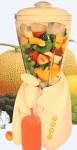 Whipping up a smoothie is a good way to get protein, fruits, veggies and super foods that you don’t normally consume on a daily basis. It can be used as breakfast, a snack, a post workout recovery drink, or a basic meal replacement. A smoothie can be made quickly and easily from fresh or frozen produce that you already have on hand. Drinking smoothies is a good way to use up fruit or veggies before they go bad and help you reach the daily recommend allowances, plus reduce that belly fat.
A smoothie can be juice, yogurt or milk based. Lots of juice based smoothies start with orange juice, but you can use any healthy, organic, low sugar fruit juice of your choice to complement the other fruit flavors. For instance, you can use exotic fruit juices like Noni juice, Acai, or Mangosteen juices. You can try pomegranate, pineapple or apple juice to make your smoothie even more interesting. Just make sure the juice is low in sugar and organic when possible. The list can be as long and varied as you like in order to help keep your creative “juices” flowing.
For yogurt based smoothies you can use plain, vanilla or fruit flavored yogurt, Kefir(yogurt liquid) or frozen yogurt. For a thicker, creamier smoothie opt for using real Greek yogurt not Greek style yogurt. Greek yogurt gives you more protein than just regular yogurt and its thicker. The yogurt can be paired with milk for a less thick smoothie and to help get it blending. If you don’t have a very high quality blender, you must have a liquid in order to get the blender going, otherwise it won’t blend. For a milk based smoothie use 1% milk or a milk alternative like soy or almond milk. Using milk as your liquid makes for a smooth and creamy blend, plus the benefits of calcium and vitamins. If you don’t have either of these liquids on hand, you can always just use plain water. Coconut water as your liquid base is even more beneficial and adds a tropical flavor. But when you use plain old water you may need to use more sweeteners.
When making a smoothie, it is helpful to have a good blender or one especially manufactured for creating smoothies. The more power it has the better. Avoid investing in cheap blenders for making smoothies because they are not built to handle crushing ice and frozen fruits, the blades tend to stop during blending and you have to help loosen the contents. This is one kitchen appliance that you want to get the best quality, in this case the more expensive the brand the better it should perform. VitaMix is one of the best quality blenders used for smoothies as well as Blendtec. Although they are expensive, and used commercially in many restaurants that serve smoothies, they are available for home use. If it is out of your budget just check around to find a reasonably priced quality blender within your budget or work with what you got. Don’t make any excuses for not drinking smoothies.
Smoothies can be a powerful arsenal in the quest for weight loss, weight maintenance and overall health. They can be simple or they can be complicated. Many people may not know how to whip up a smoothie or they just learn by trial and error. But, here is a very simple and basic template for making a smoothie to get you started. It is the building block for creating simple smoothies. For this very simple smoothie template you can choose fruits that are low on the glycemic index and have a low glycemic load like apples, oranges, mango, peaches and watermelon to help keep you on track for weight loss and help control your blood sugar levels.
Very Simple Smoothie Template (one serving)
1). Choose 1 cup of liquid or yogurt
2). Choose 1 cup fruit(s), fresh or frozen
3). Optional: add sweetener to taste (avoid artificial sweeteners)
4). Add handful of ice cubes
5). Optional add in: like 1 tbsp flaxseed oil, a scoop of protein powder or a veggie
Here are a few examples of simple smoothies:
Blueberry Smoothie:
1). Blend 1 cup 1% milk or soy milk
2). Add 1 cup frozen unsweetened blueberries, (add optional sweetener)
3). Blend together for 1 minute, then transfer to glass
4). Stir in 1 tbsp flaxseed oil or a few spinach leaves
Pineapple Smoothie:
1). Blend 1 cup 1% milk or soy milk
2). Add 4 ounce can pineapple tidbits in juice, (add handful ice cubes)
3). Blend together for 1 minute, then transfer to glass
4). Stir in 1 tbsp flaxseed oil
Banana Raspberry Smoothie:
2 medium ripe bananas, peeled
1 ½ cups Dole Pure & Light Country Raspberry Juice chilled, or equivalent substitute
1 cup frozen vanilla yogurt, softened
1 cup fresh raspberries
1 tbsp grapeseed oil
1). Place all ingredients in blender except grapeseed oil and process until smooth.
2). Transfer to glass, then stir in grapeseed oil.
If you chose to make a smoothie as a meal replacement or post workout recovery drink, then you’ll need to add in some protein, a vegetable option and a power option. By adding a protein powder, you help feed your muscles after working out. You add a vegetable to increase vitamins and minerals. If you are like me, I do not get the proper amount of vegetables so by disguising them in a smoothie its perfect. Adding a power option increases a smoothies nutritional potency. Your power option can be a strategic choice based on your current dietary needs. For weight loss, you can chose a superfood that specifically targets belly fat. You can chose a filler like oats to help you feel fuller longer or something to boost your immune system. You can even add nut or seed oils to add omega-3. Your power option can be anything that helps give you a natural energy boost. Here is a template for creating a basic power smoothie. Once you know the basics, you will be able to whip up a power smoothie in a matter of minutes.
Basic power Smoothie Template(one serving):
1). Chose your liquid (1 cup or 6-8 ounces): fruit juice, water, coconut water, Kefir, 1% milk, milk alternative(almond, soy, rice etc.), yogurt or frozen yogurt just make sure to select one that is low in sugar
2). Add Protein: choose a protein powder like Vega Sport, Life’s Basics, Sun Warrior Raw Protein or Solaray Soytein. Stay clear of Whey or Casein if you are Vegan or avoiding dairy. Instead look for Pea, Hemp, Brown Rice or Soy. Can also opt for a green plant-based superfood powder
3). Add 1 cup of fruit: add a few ice cubes if using fresh fruit, or opt for frozen fruit, this can be more than one fruit
4). Add sweetener: use a little Agave Nectar, Stevia or honey to your taste
5). Add a vegetable: usually green vegetables are a good choice like frozen broccoli, kale, spinach or celery. Carrots are a pretty good choice as well because they are naturally sweet. You only need a little vegetables like a few broccoli florets or few kale or spinach leaves so as to not make them over powering, you’ll still get the benefits
6). Add a power option: choose a super food like Chia Seeds or Goji Berries, nut or seed oils(1 tbsp) like flaxseed oil, wheat germ, oat groats or steel cut oats(add enough for desired thickness)
By following this power smoothie template, you can whip up a power smoothie in minutes as an excellent post workout recovery option if you drink within 30 minutes after a workout. Forget those store bought meal replacement shakes that are loaded with sugar and don’t quite satisfy your hunger. Power smoothies are relatively easy to create based on what you have available.
Power Smoothie Recipes
Berry Power Drink
1 cup cranberry juice
1 cup fresh or frozen strawberries
8oz vanilla low-fat yogurt
2/3 cup Quaker Oats (quick or old fashioned, uncooked) or 2/3 cup Oat bran hot cereal
Sugar to taste (optional)
1 tbsp wheat germ
1 cup ice cubes
1). Place all ingredients except ice in blender, cover and blend on high about 2 minutes
2). Gradually add ice, until smooth, transfer to glass and enjoy
Power Protein Smoothie Recipe
Ingredients (one 24-ounce serving):
2 cups unsweetened almond milk or water, or a 50/50 combination
1/4 cup hemp or brown rice protein powder
1-2 tbsp chia seeds
1/2 frozen acai smoothie packet
Liquid stevia to sweeten
½ tsp. cinnamon
½ tsp. vanilla extract
Directions:1). Add the almond milk and/or water to the blender first, then the other ingredients. Blend until smooth.
Green Detox Smoothie
Ingredients:
2 cups kale, stemmed and chopped
1 cup spinach leaves
½ avocado (optional, makes it creamier and more filling)
1 banana
1 apple, chopped (no need to peel)
1 cup orange juice, preferably fresh squeezed
1 cup fruit flavored kefir or vanilla yogurt
1 cup ice
1 Tbsp. chia seeds (optional)
Instructions
1). Combine all the ingredients in a blender and puree until smooth
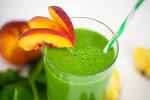 Making green smoothies require a little getting used to especially if using kale because of its rough texture, using too much will make your smoothie chewy, gritty and less smooth if you don‘t have a quality blender. If you are not accustomed to eating kale, try cutting it down to only 1 cup. Check out “eat, drink & be vegan” for more information on making green smoothies and for more recipes.
Kate’s Power Smoothie
Recipe by Our Best Bites
Ingredients:
1 cup orange juice (preferably the good stuff, like the not-from-concentrate orange juice)
3 tablespoons oat groats or 2 tbsp steel cut oats (optional…kind of…)*
3/4 cup fat-free vanilla Greek yogurt (make sure it’s Greek and not Greek-style)
1 1/2 cups frozen blueberries
3 cups baby spinach leaves
1 1/2 cups crushed ice
*To help your blender out, you can soak the oak groats in the orange juice overnight (either in the jar of your blender or in a glass). This will make it easier to blend and will also eliminate a lot of the grittiness from the oats.
1). Combine ingredients in the jar of your blender and blend. You may (read: probably will) need to run it through twice. Serve immediately. Makes 1 giant smoothie, 2 smaller smoothies, or 3 snack-sized smoothies.
If you still need more ideas and recipes for making smoothies here a few websites you can check out to get your creative juices flowing.
Smoothie recipes
www.smoothieweb.com
Breakfast smoothie recipes
http://www.wholeliving.com/135929/smoothie-recipes/@center/155850/healthy-breakfasts
Fruit Smoothie Recipes from Recipe.com
http://www.recipe.com/recipes/drinks/smoothies/how-to-make-fruit-smoothies/
How to Make Delicious Creamy Smoothies from the Smoothie Handbook
http://www.smoothie-handbook.com/how-to-make-smoothie.html
If you have an iPhone try this pocket smoothie app
https://itunes.apple.com/us/app/pocket-smoothie-recipes/id367926029?mt=8
The way that Kandie’s Health and Fitness Project is designed, each week’s new tweak should be incorporated into your diet everyday. However, some of them are not suited for everyday use like weight training which should be done every other day. You may not have to trade up your dairy everyday if you limit dairy to only 2-3 days a week. This can be true for your smoothie as well, you may not whip up one everyday just as long as you make one a few times a week. You may begin to enjoy them so much that whipping up a smoothie everyday will be no problem.
Assignment
This week’s assignment is straight forward and simple, whip up a smoothie. Find a website or cookbook as a point of reference that has a variety of smoothie recipes and compare to the smoothie templates to see if you need to add protein or a power option. Create at least 3 very simple smoothies and 3 power smoothies that you can whip up whenever you need quickly and easily. Just remember to be creative and enjoy the many flavors that can be created and by all means share with a friend and swap recipes.
Weekly Checklist (Weeks 1-17)
Drink 8 glasses of water every day
Eat a Hearty Healthy breakfast
Get movin’ by walking or aerobics
Eat an Apple or Pear everyday
Say no to your poison, ditch the junk food
Go a little nuts by eating a handful of nuts
Toss Up a Big Bowl of Salad
Take Your Vitamins
Pump It Up!!!
Trade Up Your Drinks
Sprinkle Some Flax on It
Abs are made in the kitchen
Trade Up Your Dairy
Grab a Superfood
Plan Your Healthy Day
Trade Up Your Oil
Eat Lower on The Glycemic Index
Whip Up A Power Smoothie
References
“Flat Belly Diet” by Liz Vaccariello
“The Lean - A Revolutionary and Simple 30 Day Plan for Healthy, Lasting Weight Loss” by Kathy Freston
Kate’s Power Smoothie Recipe by Our Best Bites
http://www.ourbestbites.com/2012/01/kates-power-smoothie/
Green Detox Smoothie
http://www.pbs.org/parents/kitchenexplorers/2013/01/01/incredible-hulk-power-smoothie-green-detox-smoothie/
Power Protein Smoothie Recipe
http://kimberlysnyder.net/blog/2012/01/23/power-protein-smoothie-recipe/
“Light Cooking: low fat, low calorie, low cholesterol”, Publications International, Ltd
Picture Sources
Smoothie Blender
Green Smoothie
This is a great way to be creative and get both your fruits and veggies quickly and effortlessly. There is no major prep time involved and no cooking. All it takes is a basic understanding of how to make a smoothie, chose your ingredients, do a little chopping if necessary and blend until smooth.
A smoothie can be juice, yogurt or milk based. Lots of juice based smoothies start with orange juice, but you can use any healthy, organic, low sugar fruit juice of your choice to complement the other fruit flavors. For instance, you can use exotic fruit juices like Noni juice, Acai, or Mangosteen juices. You can try pomegranate, pineapple or apple juice to make your smoothie even more interesting. Just make sure the juice is low in sugar and organic when possible. The list can be as long and varied as you like in order to help keep your creative “juices” flowing.
For yogurt based smoothies you can use plain, vanilla or fruit flavored yogurt, Kefir(yogurt liquid) or frozen yogurt. For a thicker, creamier smoothie opt for using real Greek yogurt not Greek style yogurt. Greek yogurt gives you more protein than just regular yogurt and its thicker. The yogurt can be paired with milk for a less thick smoothie and to help get it blending. If you don’t have a very high quality blender, you must have a liquid in order to get the blender going, otherwise it won’t blend. For a milk based smoothie use 1% milk or a milk alternative like soy or almond milk. Using milk as your liquid makes for a smooth and creamy blend, plus the benefits of calcium and vitamins. If you don’t have either of these liquids on hand, you can always just use plain water. Coconut water as your liquid base is even more beneficial and adds a tropical flavor. But when you use plain old water you may need to use more sweeteners.
When making a smoothie, it is helpful to have a good blender or one especially manufactured for creating smoothies. The more power it has the better. Avoid investing in cheap blenders for making smoothies because they are not built to handle crushing ice and frozen fruits, the blades tend to stop during blending and you have to help loosen the contents. This is one kitchen appliance that you want to get the best quality, in this case the more expensive the brand the better it should perform. VitaMix is one of the best quality blenders used for smoothies as well as Blendtec. Although they are expensive, and used commercially in many restaurants that serve smoothies, they are available for home use. If it is out of your budget just check around to find a reasonably priced quality blender within your budget or work with what you got. Don’t make any excuses for not drinking smoothies.
Smoothies can be a powerful arsenal in the quest for weight loss, weight maintenance and overall health. They can be simple or they can be complicated. Many people may not know how to whip up a smoothie or they just learn by trial and error. But, here is a very simple and basic template for making a smoothie to get you started. It is the building block for creating simple smoothies. For this very simple smoothie template you can choose fruits that are low on the glycemic index and have a low glycemic load like apples, oranges, mango, peaches and watermelon to help keep you on track for weight loss and help control your blood sugar levels.
Very Simple Smoothie Template (one serving)
1). Choose 1 cup of liquid or yogurt
2). Choose 1 cup fruit(s), fresh or frozen
3). Optional: add sweetener to taste (avoid artificial sweeteners)
4). Add handful of ice cubes
5). Optional add in: like 1 tbsp flaxseed oil, a scoop of protein powder or a veggie
Here are a few examples of simple smoothies:
Blueberry Smoothie:
1). Blend 1 cup 1% milk or soy milk
2). Add 1 cup frozen unsweetened blueberries, (add optional sweetener)
3). Blend together for 1 minute, then transfer to glass
4). Stir in 1 tbsp flaxseed oil or a few spinach leaves
Pineapple Smoothie:
1). Blend 1 cup 1% milk or soy milk
2). Add 4 ounce can pineapple tidbits in juice, (add handful ice cubes)
3). Blend together for 1 minute, then transfer to glass
4). Stir in 1 tbsp flaxseed oil
Banana Raspberry Smoothie:
2 medium ripe bananas, peeled
1 ½ cups Dole Pure & Light Country Raspberry Juice chilled, or equivalent substitute
1 cup frozen vanilla yogurt, softened
1 cup fresh raspberries
1 tbsp grapeseed oil
1). Place all ingredients in blender except grapeseed oil and process until smooth.
2). Transfer to glass, then stir in grapeseed oil.
If you chose to make a smoothie as a meal replacement or post workout recovery drink, then you’ll need to add in some protein, a vegetable option and a power option. By adding a protein powder, you help feed your muscles after working out. You add a vegetable to increase vitamins and minerals. If you are like me, I do not get the proper amount of vegetables so by disguising them in a smoothie its perfect. Adding a power option increases a smoothies nutritional potency. Your power option can be a strategic choice based on your current dietary needs. For weight loss, you can chose a superfood that specifically targets belly fat. You can chose a filler like oats to help you feel fuller longer or something to boost your immune system. You can even add nut or seed oils to add omega-3. Your power option can be anything that helps give you a natural energy boost. Here is a template for creating a basic power smoothie. Once you know the basics, you will be able to whip up a power smoothie in a matter of minutes.
Basic power Smoothie Template(one serving):
1). Chose your liquid (1 cup or 6-8 ounces): fruit juice, water, coconut water, Kefir, 1% milk, milk alternative(almond, soy, rice etc.), yogurt or frozen yogurt just make sure to select one that is low in sugar
2). Add Protein: choose a protein powder like Vega Sport, Life’s Basics, Sun Warrior Raw Protein or Solaray Soytein. Stay clear of Whey or Casein if you are Vegan or avoiding dairy. Instead look for Pea, Hemp, Brown Rice or Soy. Can also opt for a green plant-based superfood powder
3). Add 1 cup of fruit: add a few ice cubes if using fresh fruit, or opt for frozen fruit, this can be more than one fruit
4). Add sweetener: use a little Agave Nectar, Stevia or honey to your taste
5). Add a vegetable: usually green vegetables are a good choice like frozen broccoli, kale, spinach or celery. Carrots are a pretty good choice as well because they are naturally sweet. You only need a little vegetables like a few broccoli florets or few kale or spinach leaves so as to not make them over powering, you’ll still get the benefits
6). Add a power option: choose a super food like Chia Seeds or Goji Berries, nut or seed oils(1 tbsp) like flaxseed oil, wheat germ, oat groats or steel cut oats(add enough for desired thickness)
By following this power smoothie template, you can whip up a power smoothie in minutes as an excellent post workout recovery option if you drink within 30 minutes after a workout. Forget those store bought meal replacement shakes that are loaded with sugar and don’t quite satisfy your hunger. Power smoothies are relatively easy to create based on what you have available.
Power Smoothie Recipes
Berry Power Drink
1 cup cranberry juice
1 cup fresh or frozen strawberries
8oz vanilla low-fat yogurt
2/3 cup Quaker Oats (quick or old fashioned, uncooked) or 2/3 cup Oat bran hot cereal
Sugar to taste (optional)
1 tbsp wheat germ
1 cup ice cubes
1). Place all ingredients except ice in blender, cover and blend on high about 2 minutes
2). Gradually add ice, until smooth, transfer to glass and enjoy
Power Protein Smoothie Recipe
Ingredients (one 24-ounce serving):
1/4 cup hemp or brown rice protein powder
1-2 tbsp chia seeds
1/2 frozen acai smoothie packet
Liquid stevia to sweeten
½ tsp. cinnamon
½ tsp. vanilla extract
Green Detox Smoothie
Ingredients:
2 cups kale, stemmed and chopped
1 cup spinach leaves
½ avocado (optional, makes it creamier and more filling)
1 banana
1 apple, chopped (no need to peel)
1 cup orange juice, preferably fresh squeezed
1 cup fruit flavored kefir or vanilla yogurt
1 cup ice
1 Tbsp. chia seeds (optional)
Instructions
1). Combine all the ingredients in a blender and puree until smooth
Kate’s Power Smoothie
Recipe by Our Best Bites
Ingredients:
1 cup orange juice (preferably the good stuff, like the not-from-concentrate orange juice)
3 tablespoons oat groats or 2 tbsp steel cut oats (optional…kind of…)*
3/4 cup fat-free vanilla Greek yogurt (make sure it’s Greek and not Greek-style)
1 1/2 cups frozen blueberries
3 cups baby spinach leaves
1 1/2 cups crushed ice
*To help your blender out, you can soak the oak groats in the orange juice overnight (either in the jar of your blender or in a glass). This will make it easier to blend and will also eliminate a lot of the grittiness from the oats.
1). Combine ingredients in the jar of your blender and blend. You may (read: probably will) need to run it through twice. Serve immediately. Makes 1 giant smoothie, 2 smaller smoothies, or 3 snack-sized smoothies.
If you still need more ideas and recipes for making smoothies here a few websites you can check out to get your creative juices flowing.
Smoothie recipes
www.smoothieweb.com
Breakfast smoothie recipes
http://www.wholeliving.com/135929/smoothie-recipes/@center/155850/healthy-breakfasts
Fruit Smoothie Recipes from Recipe.com
http://www.recipe.com/recipes/drinks/smoothies/how-to-make-fruit-smoothies/
How to Make Delicious Creamy Smoothies from the Smoothie Handbook
http://www.smoothie-handbook.com/how-to-make-smoothie.html
If you have an iPhone try this pocket smoothie app
https://itunes.apple.com/us/app/pocket-smoothie-recipes/id367926029?mt=8
The way that Kandie’s Health and Fitness Project is designed, each week’s new tweak should be incorporated into your diet everyday. However, some of them are not suited for everyday use like weight training which should be done every other day. You may not have to trade up your dairy everyday if you limit dairy to only 2-3 days a week. This can be true for your smoothie as well, you may not whip up one everyday just as long as you make one a few times a week. You may begin to enjoy them so much that whipping up a smoothie everyday will be no problem.
Assignment
This week’s assignment is straight forward and simple, whip up a smoothie. Find a website or cookbook as a point of reference that has a variety of smoothie recipes and compare to the smoothie templates to see if you need to add protein or a power option. Create at least 3 very simple smoothies and 3 power smoothies that you can whip up whenever you need quickly and easily. Just remember to be creative and enjoy the many flavors that can be created and by all means share with a friend and swap recipes.
Weekly Checklist (Weeks 1-17)
Drink 8 glasses of water every day
Eat a Hearty Healthy breakfast
Get movin’ by walking or aerobics
Eat an Apple or Pear everyday
Say no to your poison, ditch the junk food
Go a little nuts by eating a handful of nuts
Toss Up a Big Bowl of Salad
Take Your Vitamins
Pump It Up!!!
Trade Up Your Drinks
Sprinkle Some Flax on It
Abs are made in the kitchen
Trade Up Your Dairy
Grab a Superfood
Plan Your Healthy Day
Trade Up Your Oil
Eat Lower on The Glycemic Index
Whip Up A Power Smoothie
References
“Flat Belly Diet” by Liz Vaccariello
“The Lean - A Revolutionary and Simple 30 Day Plan for Healthy, Lasting Weight Loss” by Kathy Freston
Kate’s Power Smoothie Recipe by Our Best Bites
http://www.ourbestbites.com/2012/01/kates-power-smoothie/
Green Detox Smoothie
http://www.pbs.org/parents/kitchenexplorers/2013/01/01/incredible-hulk-power-smoothie-green-detox-smoothie/
Power Protein Smoothie Recipe
http://kimberlysnyder.net/blog/2012/01/23/power-protein-smoothie-recipe/
“Light Cooking: low fat, low calorie, low cholesterol”, Publications International, Ltd
Picture Sources
Smoothie Blender
Green Smoothie
Thursday, February 7, 2013
KHFP Week 14: Grab a Superfood
Superfoods For Weight Loss
Superfoods are a special category of foods found in nature. By definition they are calorie sparse and nutrient dense meaning they pack a lot of punch for their weight as far as goodness goes. They are superior sources of anti-oxidants and essential nutrients - nutrients we need but cannot make ourselves. Therefore, superfoods are ideal for weight loss and weight management. They give the body the desired nutrients it may be lacking.
Superfoods are extremely potent nutrient dense foods that help detoxify the body, improve your digestion, act like medicine in the body, stave off bad food cravings, be more active and energetic, and assists in weight loss. There is much debate about what is considered to be a superfood. Therefore, it depends on your accepted definition. Raw vegans and most health enthusiasts only agree on a few super foods. Based on your determining criteria of what is a superfood, the list of super foods can go as high as 50 different kinds or more.
Superfoods can be grouped into many different categories, for this project they are green super foods, fruit & nut super foods, seaweed super foods and bee superfoods. This is by no means an exhaustive list, it is just a starting point in order to get you thinking about super nutrition and how adding just one or two of these powerful foods can catapult you into living a healthy and fit lifestyle.
Green Superfoods
Green superfoods have the highest concentrations of easily digestible nutrients, fat burning compounds, vitamins and minerals to protect and heal the body. They contain a wide array of beneficial substances including proteins, protective photo-chemicals and healthy bacteria helping you to build cleaner muscles and tissues, aid your digestive system function and more effectively protect you against disease and illness.
Green superfoods are extremely rich in chlorophyll - the pigment that gives plants their green color. The molecular structure of chlorophyll is very similar to that of human blood and studies show that when this is consumed, the production of hemoglobin in blood is increased. Higher amounts of hemoglobin in the bloodstream means more oxygen-rich blood, the first and most important element that cells need to thrive. Fresh raw green leafy vegetables contain high doses of chlorophyll, easily digestible proteins, enzymes and a wide range of vitamins and minerals. These particular vegetables act as mini-transfusions for the blood, a health tonic for the brain and immune system, plus a cleanser of the kidneys. Health enthusiasts include the following as green superfoods: rocket, spinach, dandelion greens, kale, watercress, parsley, endive, chicory, broccoli sprouts and mustard sprouts. If you want the one that most all health enthusiast agree packs the most punch then choose Kale because it is the most nutrient dense of all green superfoods.
Kale: the powerhouse of the super foods, it’s the most powerful green on the planet. It is high in fiber and cleans out your colon. Also, it is nutrient rich containing vitamins A, C, K, calcium, folic acid and antioxidants. It lowers cholesterol, its an anti-cancer food, it protects against breast cancer, prostate & colon cancers, and it has an anti-inflammatory effect. If you are a woman over forty then this superfood is a must. It will benefit you in so many ways especially as you approach menopause because its packed with nutrients you need. You can steam or sautee kale in olive oil or orange juice, add to soups or stir-fry, or use in a green juice.
Try Kale chips: rinse and dry Kale leaves, then toss in a little olive oil, then roast in an oven at 300 degrees for 20-30 minutes, check every 10-15 minutes turning if necessary until crisp, then sprinkle on some nutritional yeast (it’s a yellow flake or powder that has a cheesy flavor)
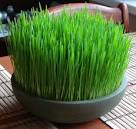 Wheat grass: is the sprouted grass of a wheat seed. Unlike the whole grain, because it has been sprouted, it no longer contains gluten or other common allergic agents. Wheat grass is super alkalizing and is excellent for promoting healthy blood. It normalizes the thyroid gland to stimulate metabolism thus assisting digestion and promoting weight loss, due also to its high enzyme content and cleansing effect.
Spirulina : is a cultivated micro-algae which has been consumed for thousands of years by the indigenous peoples in Mexico and Africa. It is one of the highest known protein sources on Earth and contains 70% complete protein, towering over steak which consists of only 25% protein once cooked. Studies have shown that spirulina can help control blood sugar levels and cravings thus making it a key food for diabetics, and can be used to assist in weight loss as a general nutritional supplement. Add to juices or smoothies as a pick me up.
Fruit & Nut Superfoods
Fruit and nut superfoods are high in anti-oxidants that fight free radicals in the body. Free radicals, in part, are a natural occurrence through metabolism however, extra and unnecessary free radical load can be put on our bodies by external factors including pollution, cigarette smoke, radiation, burnt foods, deep fried fats and cooked foods. Many of natures fruits & nuts are super foods. Walnuts are the most recognized of the nut super foods and rank at the top of the list. Many super foods in this category are somewhat exotic and less well known by the masses but are well known amongst health enthusiasts. Here are just a few fruits and nuts you may or may not be familiar with that are considered super foods.
Fruits
Goji Berries : are a sweet red fruit that falls between a cherry and a cranberry, they grow on vines in the protected valleys of inner Mongolia and Tibet. The Chinese use them for longevity, to increase strength, and to enhance sexual energy. These distinctively flavored red berries are a very rich source of vitamin C, having 500 times more vitamin C per ounce than oranges and more than any other fruit. They are a superb source of vitamins A, B1, B2, B6 and E and contain a full complement of protein with 18 amino acids, 21 trace minerals and are high in fiber. They contain the highest level of antioxidants making it an ideal natural whole food for reversing aging and protecting against disease. Goji berries keep cravings in check, they have lots of chromium(a mineral that assists the weight loss process), and they help preserve lean muscle.
 Blueberries: are full of antioxidants, they contain vitamin C&E, potassium, manganese and fiber, they have no cholesterol, are excellent for your digestion, and are low on the glycemic index, plus they have a favorable influence on blood sugar regulation. Consume at least one cup of blueberries as a superfood to reap the benefits.
Acai berries: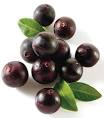 have long been a part of the staple diet of the tribes in the Amazon. With the appearance of a purple grape and taste of a tropical berry it has been shown to have powerful antioxidant properties thanks to a high level of anthocyanins, pigments also found in red wine. Make sure to look for the freeze dried acai fruit in which the nutrients are kept intact or when buying the juice look for a brand that has not been pasteurized or heated in any way. As with any exotic fruit it may take some adjusting to the taste.
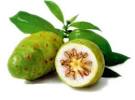 Noni: this fruit has been used by Polynesian islanders as a regenerative medicine for more than 1500 years. Research documents that the noni fruit has astounding anti-bacterial properties, even against E-coli. It has anti-tumor activity, anti-inflammatory properties, is effective as a pain reliever, generates cell repair and strengthens the immune system. Noni contains a multitude of vitamins, minerals, enzymes and phytonutrients. Many believe that the synergistic effect of the multi-spectrum nutrients is what gives it its potency. It has been proven beneficial for colds and flu's, digestive disorders, skin disorders, pain relief, headaches, infections and more. One of the best and first noni juices on the market is Tahitian Noni Juice by Morinda (which still may not be available in stores). Noni juice is good for energy, lowering blood pressure and regulating blood sugar levels. Some say its an acquired taste.
Nuts (seeds)
Chia Seeds: are an excellent source of antioxidants, omega-3 fatty acids, calcium, a good source of protein, low in saturated fat, no cholesterol, high in fiber, calcium, manganese, thiamine and phosphorus. When adding to a liquid the seeds soak up the liquid because of the soluble fiber, it soaks up to seven times its weight. Can be used to correct constipation, acting like a scrub brush as they move through your digestive system. Chia seeds are best consumed whole or ground rather than as an oil or supplement. Add them to smoothies, sprinkle on oatmeal, mix in yogurt, add to salads and use as a thickener in pasta sauces. Because chia seeds don’t have much of a taste you can add them to many dishes. They are calorie dense so stick to about 1 tablespoon a day.
 Coconuts: young coconuts are one of the highest sources of electrolytes in nature. Electrolytes are ionized salts in our cells, that transport energy throughout the body. Coconut water is a much better alternative to commercial sports drinks laden with artificial sugars and colors. The molecular structure of coconut water is identical to human blood plasma, which means that it is immediately recognized by the body and put to good use. Drinking the juice from a young coconut is like giving your body an instant blood transfusion. I heard that coconut water is definitely an acquired taste, so you might want to start by using it in a smoothie first.
Coconut oil: its saturated fat is of the medium-chain fatty acid variety, which are digested more easily and utilized differently by the body than other saturated fats (such as butter, meat and eggs). Whereas other saturated fats are stored in the body's cells, the medium chain fatty acids in coconut oil are sent directly to the liver where they are immediately converted into energy. Coconut oil will actually speed up metabolism so your body will burn more calories in a day which will contribute to weight loss. Coconut oil supports healthy metabolic function and is a revered anti-bacterial, anti-viral and anti-fungal agent. Pacific islanders deem coconut oil to be the cure-all gift from nature for all illness. As part of a weight loss regime it is suggested that you consume 1 tbsp of certified organic extra virgin coconut oil daily. Remember that coconut oil is calorie dense as well so limit your overall consumption.
Special Mention
Chocolate: is loaded with falconoid which increases elasticity of blood vessels and good for circulation, has tons of antioxidants, great source of magnesium, contains iron, chromium and zinc. Chocolate contains phenyl ethylamine(PEA) a chemical your body produces when falling in love and it has fiber in it. Add a fistful of raw cacao(cocoa) nibs and eat as is or add into a smoothie or trail mix with Goji berries and nuts, add cacao powder to a peanut butter banana smoothie.
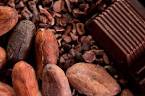 How to chose your chocolate: make sure it is certified organic and at least 70% cocao and dairy-free, less sugar the better. This chocolate does not include the candy bar milk chocolate.
There is a debate on whether or not chocolate is actually a superfood, raw vegans believe that raw cacao is toxic or poisonous to the body and that is why animals steer clear of raw cacao or get sick when they eat chocolate. Do your due diligence when determining whether chocolate is a superfood based on your findings, because it pops up on many lists.
Seaweed Superfoods
Seaweeds are the most nutritionally dense plants on the planet as they have access to all the nutrients in the ocean. They can contain up to 10 times more calcium than milk and eight times as much as beef. The chemical composition of seaweeds is so close to human blood plasma, that perhaps their greatest benefit is regulating and purifying our blood system. They are rich in chlorophyll (the pigment that makes some seaweeds green) which is a powerful, natural detoxifier that helps to draw out waste products. Seaweeds play a role in boosting weight loss and deterring cellulite build-up. Seaweeds are great for the waistline. They have a naturally high concentration of iodine, that helps to stimulate the thyroid gland, which is responsible for maintaining a healthy metabolism. At the same time, its' minerals act like electrolytes to break the chemical bonds that seal the fat cells, allowing trapped waste to escape. Because of their high levels of iodine you should not consume seaweed daily for more than two weeks at a time, then rest two weeks before re-consuming to prevent overdosing on iodine leading to a potential imbalance in thyroid function.
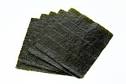 Nori: is one of the richest in protein and one sheet has as much fiber as a cup of raw spinach and more omega-3 fatty acids than a cup of avocado. Nori contains vitamins C (a potent antioxidant) and B12 (crucial for cognitive function) and the compound taurine, which helps control cholesterol. Nori is best known as the seaweed used to make sushi rolls. You can make your own sushi at home, but make sure you use the untoasted nori sheets for maximum nutrient content.
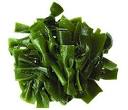
Kelp: There are approximately thirty different nutrients found in fresh and dried kelp products, with significant amounts of iodine, calcium, potassium, silicon and iron present. Most of the B vitamins are also provided in each dose of kelp, as well as trace amounts of vitamins A, C, and E.

Dulse: is an edible red seaweed(alga) which grows widely along the shorelines of the North Atlantic and can be bought either whole or as flakes. It is also a rich source of vitamins A, C, E and B vitamins, calcium, potassium, magnesium, iron, zinc and iodine. It also contains essential enzymes like pyruvate carboxylase, which helps produce energy from sugars. Fresh whole dulse has a fairly strong odor and taste, it retains a slightly chewy texture through drying and cooking. Whole dulse is better soaked, drained of water, and sliced before using it in salads, seafood dishes and stir fries. Dried dulse is more mild, you can crumble it into flakes that are hardly noticeable in soups, stews and casseroles and you can sprinkle on foods as a condiment or as a nutritional supplement. Dulse sold as flakes does not need to be soaked and can be added straight to any meal.
Bee Superfoods
Some other note worthy super foods comes from bees. They are royal jelly, bee pollen and propolis. I have heard of these superfoods but did not know they were called super foods, I thought they were vitamin supplements. I can remember when growing up, going to the local health food store and seeing jars of raw honey and raw honey combs. I wondered who eats this stuff, how is it used and what is it used for. It did not look like the honey in the regular stores. As I became more interested in holistic health remedies, I now can answer those questions or educate myself on why I should use them. I have to admit that in my teens, I thought the health food store was for only the elderly and sick people being that it was near a senior citizen community. Now that I’m in my forties I see things differently.
Royal Jelly: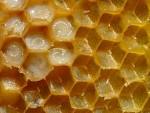 is a milk like secretion from the head glands of the worker bees. The queen bee lives almost exclusively on royal jelly and she lives around 40 times longer than the rest of the bees. Royal Jelly is a powerhouse of nutrients containing every nutrient necessary to support life. It is the worlds richest source of pantothenic acid (also known as Vitamin B5), which is known to combat stress, fatigue and insomnia and is a vital nutrient for healthy skin and hair.
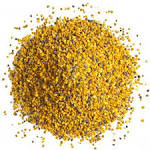
Bee Pollen: is collected by bees from flowering plants and formed into granules. Bee pollen is the most complete food found in nature and has five to seven times more protein than beef. It is especially beneficial for the extra nutritional and energy needs of athletes and those recovering from illness. It is a natural antidote for fighting allergies particularly hayfever and sinusitus. Research shows that pollen counteracts the signs of aging and increases both mental and physical capability.

Propolis: is the substance that bees coat the walls of their hives with and bee hives have often been referred to as the most antiseptic places in nature. The powerful antibiotic properties of propolis can help protect humans from bacteria and can strengthen our immune system. Propolis works against viruses, something that antibiotics cannot do. Research shows that taking propolis during the high risk 'cold and flu' season reduces colds, coughing and inflammation of the mouth, tonsils and throat.
As you can see there are many different kinds of super foods that can easily be added to your new healthy diet. Including things like seaweed superfoods in your daily diet is an excellent way to supplement your diet with whole foods instead of synthetic supplements. Just by adding one or two super foods you can boost your energy and add nutrients your body is lacking. These additions can be added to your breakfast, lunch, dinner or snacks. You can sprinkle them on, mix them in, or drink them. Find a superfood that suits your individual needs and as always consult your doctor to ensure that these super nutrient dense foods do not interfere with any medications.
Assignment
This assignment is to get you out of your comfort zone just a little more. Select at least two super foods, preferably from different categories. Eat them alone as a super snack or pair them together for a healthy energy blast. They can easily be added to any meal making it more nutritious. Instead of salt, use Kelp granules as a seasoning for instance. Instead of that regular milk chocolate bar, trade up to one that is certified organic and at least 70% cocoa (one ounce will do). If you don’t like any of the listed super foods, feel free to research on your own and find one that fits your individual needs and taste. But I encourage you to be adventurous and try a new one, your body will love you for it.
Weekly Checklist
Drink 8 glasses of water every day
Eat a Hearty Healthy breakfast
Get movin’ by walking or aerobics
Eat an Apple or Pear everyday
Say no to your poison, ditch the junk food
Go a little nuts by eating a handful of nuts
Toss Up a Big Bowl of Salad
Take Your Vitamins
Pump It Up!!!
Trade Up Your Drinks
Sprinkle Some Flax on It
Abs are made in the kitchen
Trade Up Your Dairy
Superfoods For Weight Loss
References
“The Lean - A Revolutionary and Simple 30 Day Plan for Healthy, Lasting Weight Loss” by Kathy Freston
“4 Reasons to Eat Your Ocean Veggies Because fish aren't the only, well, fish in the sea…” by Tova Gelfond
http://www.oprah.com/food/Different-Types-of-Seaweed-Nutritional-Benefits-of-Seaweed
“How Effective is Kelp For Weight Loss?”
http://www.wisegeek.com/how-effective-is-kelp-for-weight-loss.htm
“The Benefits of Dulse Seaweed” by Jody Braverman
http://www.livestrong.com/article/418798-the-benefits-of-dulse-seaweed/
“What is Dulse Seaweed?
”http://www.wisegeek.com/what-is-dulse-seaweed.htm
“Superfoods”
http://foodmatters.tv/content/superfoods
Picture Sources
Blueberries
Nori Seaweed
Kelp
Dulse
Goji Berries
Acai Berries
Noni Fruit
Kale
Wheat Grass
Spirulina
Raw Cacao
Organic Chocolate
Chia Seeds
Coconuts
Bee Pollen
Royal Jelly
Propolis
Superfoods are a special category of foods found in nature. By definition they are calorie sparse and nutrient dense meaning they pack a lot of punch for their weight as far as goodness goes. They are superior sources of anti-oxidants and essential nutrients - nutrients we need but cannot make ourselves. Therefore, superfoods are ideal for weight loss and weight management. They give the body the desired nutrients it may be lacking.
Superfoods are extremely potent nutrient dense foods that help detoxify the body, improve your digestion, act like medicine in the body, stave off bad food cravings, be more active and energetic, and assists in weight loss. There is much debate about what is considered to be a superfood. Therefore, it depends on your accepted definition. Raw vegans and most health enthusiasts only agree on a few super foods. Based on your determining criteria of what is a superfood, the list of super foods can go as high as 50 different kinds or more.
Superfoods can be grouped into many different categories, for this project they are green super foods, fruit & nut super foods, seaweed super foods and bee superfoods. This is by no means an exhaustive list, it is just a starting point in order to get you thinking about super nutrition and how adding just one or two of these powerful foods can catapult you into living a healthy and fit lifestyle.
Green Superfoods
Green superfoods have the highest concentrations of easily digestible nutrients, fat burning compounds, vitamins and minerals to protect and heal the body. They contain a wide array of beneficial substances including proteins, protective photo-chemicals and healthy bacteria helping you to build cleaner muscles and tissues, aid your digestive system function and more effectively protect you against disease and illness.
Green superfoods are extremely rich in chlorophyll - the pigment that gives plants their green color. The molecular structure of chlorophyll is very similar to that of human blood and studies show that when this is consumed, the production of hemoglobin in blood is increased. Higher amounts of hemoglobin in the bloodstream means more oxygen-rich blood, the first and most important element that cells need to thrive. Fresh raw green leafy vegetables contain high doses of chlorophyll, easily digestible proteins, enzymes and a wide range of vitamins and minerals. These particular vegetables act as mini-transfusions for the blood, a health tonic for the brain and immune system, plus a cleanser of the kidneys. Health enthusiasts include the following as green superfoods: rocket, spinach, dandelion greens, kale, watercress, parsley, endive, chicory, broccoli sprouts and mustard sprouts. If you want the one that most all health enthusiast agree packs the most punch then choose Kale because it is the most nutrient dense of all green superfoods.
Kale:
Try Kale chips: rinse and dry Kale leaves, then toss in a little olive oil, then roast in an oven at 300 degrees for 20-30 minutes, check every 10-15 minutes turning if necessary until crisp, then sprinkle on some nutritional yeast (it’s a yellow flake or powder that has a cheesy flavor)
Spirulina
Fruit & Nut Superfoods
Fruit and nut superfoods are high in anti-oxidants that fight free radicals in the body. Free radicals, in part, are a natural occurrence through metabolism however, extra and unnecessary free radical load can be put on our bodies by external factors including pollution, cigarette smoke, radiation, burnt foods, deep fried fats and cooked foods. Many of natures fruits & nuts are super foods. Walnuts are the most recognized of the nut super foods and rank at the top of the list. Many super foods in this category are somewhat exotic and less well known by the masses but are well known amongst health enthusiasts. Here are just a few fruits and nuts you may or may not be familiar with that are considered super foods.
Fruits
Goji Berries
Acai berries:
Nuts (seeds)
Chia Seeds:
Coconut oil: its saturated fat is of the medium-chain fatty acid variety, which are digested more easily and utilized differently by the body than other saturated fats (such as butter, meat and eggs). Whereas other saturated fats are stored in the body's cells, the medium chain fatty acids in coconut oil are sent directly to the liver where they are immediately converted into energy. Coconut oil will actually speed up metabolism so your body will burn more calories in a day which will contribute to weight loss. Coconut oil supports healthy metabolic function and is a revered anti-bacterial, anti-viral and anti-fungal agent. Pacific islanders deem coconut oil to be the cure-all gift from nature for all illness. As part of a weight loss regime it is suggested that you consume 1 tbsp of certified organic extra virgin coconut oil daily. Remember that coconut oil is calorie dense as well so limit your overall consumption.
Special Mention
Chocolate:
There is a debate on whether or not chocolate is actually a superfood, raw vegans believe that raw cacao is toxic or poisonous to the body and that is why animals steer clear of raw cacao or get sick when they eat chocolate. Do your due diligence when determining whether chocolate is a superfood based on your findings, because it pops up on many lists.
Seaweed Superfoods
Seaweeds are the most nutritionally dense plants on the planet as they have access to all the nutrients in the ocean. They can contain up to 10 times more calcium than milk and eight times as much as beef. The chemical composition of seaweeds is so close to human blood plasma, that perhaps their greatest benefit is regulating and purifying our blood system. They are rich in chlorophyll (the pigment that makes some seaweeds green) which is a powerful, natural detoxifier that helps to draw out waste products. Seaweeds play a role in boosting weight loss and deterring cellulite build-up. Seaweeds are great for the waistline. They have a naturally high concentration of iodine, that helps to stimulate the thyroid gland, which is responsible for maintaining a healthy metabolism. At the same time, its' minerals act like electrolytes to break the chemical bonds that seal the fat cells, allowing trapped waste to escape. Because of their high levels of iodine you should not consume seaweed daily for more than two weeks at a time, then rest two weeks before re-consuming to prevent overdosing on iodine leading to a potential imbalance in thyroid function.
Kelp: There are approximately thirty different nutrients found in fresh and dried kelp products, with significant amounts of iodine, calcium, potassium, silicon and iron present. Most of the B vitamins are also provided in each dose of kelp, as well as trace amounts of vitamins A, C, and E.
Dulse: is an edible red seaweed(alga) which grows widely along the shorelines of the North Atlantic and can be bought either whole or as flakes. It is also a rich source of vitamins A, C, E and B vitamins, calcium, potassium, magnesium, iron, zinc and iodine. It also contains essential enzymes like pyruvate carboxylase, which helps produce energy from sugars. Fresh whole dulse has a fairly strong odor and taste, it retains a slightly chewy texture through drying and cooking. Whole dulse is better soaked, drained of water, and sliced before using it in salads, seafood dishes and stir fries. Dried dulse is more mild, you can crumble it into flakes that are hardly noticeable in soups, stews and casseroles and you can sprinkle on foods as a condiment or as a nutritional supplement. Dulse sold as flakes does not need to be soaked and can be added straight to any meal.
Bee Superfoods
Some other note worthy super foods comes from bees. They are royal jelly, bee pollen and propolis. I have heard of these superfoods but did not know they were called super foods, I thought they were vitamin supplements. I can remember when growing up, going to the local health food store and seeing jars of raw honey and raw honey combs. I wondered who eats this stuff, how is it used and what is it used for. It did not look like the honey in the regular stores. As I became more interested in holistic health remedies, I now can answer those questions or educate myself on why I should use them. I have to admit that in my teens, I thought the health food store was for only the elderly and sick people being that it was near a senior citizen community. Now that I’m in my forties I see things differently.
Royal Jelly:
Bee Pollen: is collected by bees from flowering plants and formed into granules. Bee pollen is the most complete food found in nature and has five to seven times more protein than beef. It is especially beneficial for the extra nutritional and energy needs of athletes and those recovering from illness. It is a natural antidote for fighting allergies particularly hayfever and sinusitus. Research shows that pollen counteracts the signs of aging and increases both mental and physical capability.
Propolis: is the substance that bees coat the walls of their hives with and bee hives have often been referred to as the most antiseptic places in nature. The powerful antibiotic properties of propolis can help protect humans from bacteria and can strengthen our immune system. Propolis works against viruses, something that antibiotics cannot do. Research shows that taking propolis during the high risk 'cold and flu' season reduces colds, coughing and inflammation of the mouth, tonsils and throat.
As you can see there are many different kinds of super foods that can easily be added to your new healthy diet. Including things like seaweed superfoods in your daily diet is an excellent way to supplement your diet with whole foods instead of synthetic supplements. Just by adding one or two super foods you can boost your energy and add nutrients your body is lacking. These additions can be added to your breakfast, lunch, dinner or snacks. You can sprinkle them on, mix them in, or drink them. Find a superfood that suits your individual needs and as always consult your doctor to ensure that these super nutrient dense foods do not interfere with any medications.
Assignment
This assignment is to get you out of your comfort zone just a little more. Select at least two super foods, preferably from different categories. Eat them alone as a super snack or pair them together for a healthy energy blast. They can easily be added to any meal making it more nutritious. Instead of salt, use Kelp granules as a seasoning for instance. Instead of that regular milk chocolate bar, trade up to one that is certified organic and at least 70% cocoa (one ounce will do). If you don’t like any of the listed super foods, feel free to research on your own and find one that fits your individual needs and taste. But I encourage you to be adventurous and try a new one, your body will love you for it.
Weekly Checklist
Drink 8 glasses of water every day
Eat a Hearty Healthy breakfast
Get movin’ by walking or aerobics
Eat an Apple or Pear everyday
Say no to your poison, ditch the junk food
Go a little nuts by eating a handful of nuts
Toss Up a Big Bowl of Salad
Take Your Vitamins
Pump It Up!!!
Trade Up Your Drinks
Sprinkle Some Flax on It
Abs are made in the kitchen
Trade Up Your Dairy
Superfoods For Weight Loss
References
“The Lean - A Revolutionary and Simple 30 Day Plan for Healthy, Lasting Weight Loss” by Kathy Freston
“4 Reasons to Eat Your Ocean Veggies Because fish aren't the only, well, fish in the sea…” by Tova Gelfond
http://www.oprah.com/food/Different-Types-of-Seaweed-Nutritional-Benefits-of-Seaweed
“How Effective is Kelp For Weight Loss?”
http://www.wisegeek.com/how-effective-is-kelp-for-weight-loss.htm
“The Benefits of Dulse Seaweed” by Jody Braverman
http://www.livestrong.com/article/418798-the-benefits-of-dulse-seaweed/
“What is Dulse Seaweed?
”http://www.wisegeek.com/what-is-dulse-seaweed.htm
“Superfoods”
http://foodmatters.tv/content/superfoods
Picture Sources
Blueberries
Nori Seaweed
Kelp
Dulse
Goji Berries
Acai Berries
Noni Fruit
Kale
Wheat Grass
Spirulina
Raw Cacao
Organic Chocolate
Chia Seeds
Coconuts
Bee Pollen
Royal Jelly
Propolis
Sunday, December 9, 2012
KHFP Week 6: Get a Little Nutty Wit It
For Kandie's Health & Fitness Project this week, you can go a little nuts by indulging in healthy nuts and seeds. Nuts and seeds are very helpful for women's health over forty and a small but important addition to this health project.
Eating nuts in moderation helps you lose weight because nuts & seeds are packed with nutrients, calories, fills you up, boosts your metabolism and in-shell nuts slow you down giving your brain time to think, plus gives your jaws a workout. Adding nuts to your diet for this project is another way to crowd out unhealthy food habits and replace them with more healthful food habits. This is yet another very small step you can take to aid in losing weight sensibly over a period of time rather than with a crash diet that results in failure.

Nuts are usually described as a fruit, consisting of a kernel, or seed, enclosed in a hard, woody, or leathery shell that does not open when ripe. They are usually the fruit of shrubs or trees, but the tubers of some plants are also called nuts, on account of their resemblance to the nuts in taste, and their richness in fats as denoted in the Guide for Nut Cooker.
Nuts are rich in L-arginine, an amino acid that has been shown to improve blood vessel function. Specifically, L-arginine helps relax blood vessels, making them more flexible and less prone to blood clots that could block blood flow. Arginine has also been shown to boost immune function, promote wound healing, and help manage existing cardiovascular disease. Nuts are the best dietary sources of arginine. Walnuts, peanuts and almonds are especially high in the amino acid. Although the nutrition profile of each type of nut varies slightly, almost all nuts contain heart-healthy fats and fatty acids, fiber, vitamin E, and other beneficial substances.
Containing mostly “good” fats, nuts are one of the best sources of a type of heart-healthy omega-3 called alpha-linolenic acid (ALA). Most of the fat in nuts is polyunsaturated, with smaller quantities of monounsaturated and saturated fat. Omega-3s are a specific type of polyunsaturated fat that have cholesterol-lowering and disease-prevention properties says Jennifer Valentine, Editorial Manager at One Green Planet.
How to get the most nutrients from nuts and seeds:
Nuts are considered high energy foods because they are filled with lots of calories; for example 1 ounce of almonds contain about 165 calories; 1 ounce of brazil nuts contain about 190 calories. So do not eat too many or you will gain weight. Nuts also contain powerful minerals such as magnesium, zinc, calcium and phosphorus needed for bone development, immunity and energy production. They provide needed vitamins and are great sources of “B” Vitamins and Vitamin “E“. Raw, unsprouted nuts have enzyme inhibitors that make them difficult to digest. When the nut sprouts, these inhibitors are deactivated. Raw nuts or seeds can have a bitter taste; this is due to enzyme inhibitors. These inhibitors can affect the digestion of the nuts and seeds. Soaking or roasting the nuts and seeds remove the enzyme inhibitors. The high heat from roasting will remove the enzyme inhibitors but will destroy many of the nutrients. The best way to get the most nutrients from nuts and seeds is to start the sprouting process by soaking them.
Soaking them will keep them more nutritious and brings out the natural sweet flavor of the nuts and seeds. They become live foods. Learn How To Sprout Them. The enzyme inhibitors are washed away when the nuts and seeds are soaked; also the digestion of the proteins and carbohydrates begins. A bonus is that the soaking removes 30 percent of the oil content, making nuts and seeds easier on the liver, easier to digest, and of course, reduces calories. They are not actually sprouted, just soaked (3 to 12 hours) which begins the sprouting process.
In “The Good Nut Guide”, Louise Atkinson recommends eating a good handful of nuts a day (about one ounce, or 28g). However, the way the nuts are prepared can have an impact on their health-giving properties. For instance, dry roasted nuts have double the salt of ordinary salted peanuts and honey roasted peanuts hide a teaspoon of sugar. The advice is to choose nuts that are unsalted, unroasted and as fresh as possible. All nuts go rancid if exposed to heat, light or air, so it’s probably best to keep them in the fridge.
You can be creative when it comes to adding nuts to your diet, by all means, get a little nutty with it. Most researchers declare that one ounce a day will do the trick, basically one handful. Being that each nut has varying amounts of fat and calories this can equate to 12-15 nuts or ¼ cup of nuts. Make sure you check the label for the nut’s calorie content and serving size. To get the most benefits, stick to raw, unsalted organic nuts. Just remember that nuts do have lots of calories so be mindful about how many you consume daily. Sticking to the handful a day rule should be an easy way to keep this under control.
Benefits & Properties of 8 Popular Nuts:
1). Walnuts
The very best of the nuts is the walnut. They are usually available all year as they keep well when they are harvested, usually in winter months. Walnuts come in two varieties. The more commonly available type is English walnuts. The other is the black walnut, grown only in select locations and available in chopped or crushed form and is used in baking and cooking. The black walnut is considerably more expensive as it is rarer, harder to process, and has a unique flavor. Walnuts feed the brain because they are packed with omega-3, 6 and 9 fatty acids, particularly omega-3, which is vital for neuronal conduction (the firing of nerves in the brain). While 75 percent of their fat is the healthy mono-unsaturated type. Once cooked, walnuts lose their healthy benefit, so eat them raw or add only at the end of cooking process. 1 oz = Approx 14 halves
2). Almonds
The next best on the list is almonds. An almond is sweet and can be eaten alone or added to baking or cooking a variety of foods. Almonds can be purchased whole, sliced, crushed, and you can choose raw, roasted, and salted or unsalted. They contain manganese, B2, vitamin E, and copper among other things, and are helpful in lowering your bad cholesterol levels. The raw form is best, of course, but any way you eat these will give you a boost in nutrients. The best source of protein of all the nuts, and high in calcium. They also contain copper, iron, zinc, niacin and vitamins B1, B2 and E, and an impressive 70 per cent of their fat content is the healthiest mono-unsaturated type. Almonds contain a high degree of oleic acid, the ingredient in olive oil thought to protect against heart disease. Almonds are very difficult to -digest in their natural state, so they could give you indigestion. Try soaking them overnight in water to activate the enzymes in the nut, this will make them tastier and easier to digest. 1 oz = Approx 20-24 nuts
3). Pecans
According to the National Pecan Shellers Association, pecans are high in healthy unsaturated fat and just a handful a day can lower “bad” cholesterol. They also contain more than 19 vitamins and minerals including vitamins A, B, and E, folic acid, calcium, magnesium, phosphorus, potassium, and zinc. Just one ounce of pecans provides 10 percent of the Daily Recommended intake of fiber. Pecans are the most antioxidant-rich tree nut and rank among the top 15 foods with the highest levels of antioxidants. Pecans contain different forms of the antioxidant vitamin E—known as tocopherols, plus numerous phenolic substances, many of them with antioxidant abilities. The nuts are especially rich in one form of vitamin E called gamma-tocopherols. The findings illustrate that after eating pecans, gamma-tocopherol levels in the body doubled and unhealthy oxidation of LDL (bad) cholesterol in the blood decreased by as much as 33 percent.
4). Pistachios
Pistachios are distinguishable by their color and flavor. The pistachio has a small egg-shaped natural beige or light brown shell with a light-green kernel. (The familiar red we associate with the nut is actually a dye.) Pistachios grow on trees, whose initial growth is very slow. Pistachios are high in monounsaturated fats adding two to three ounces (the exception to the recommended 1oz) of pistachios to the daily diet could reduce cholesterol. This, in turn, reduces the risk of cardiovascular diseases. Pistachios are rich in antioxidants, which prevent damage to body cells. Including more antioxidants to the diet has been shown to reduce the incidence of cell death, cancers and infections. Some of the antioxidants in pistachios are lutein vitamin A and vitamin E. In addition, pistachios are a signifant source of proteins, which are the building blocks of the that repair cell damage and create new growth.
5). Cashews
Cashews are delicious and have a creamy taste and texture. They can be bought raw or roasted and salted. Just a quarter cup of cashews provides 196 calories and is lower in fat than other nut varieties. They have the same type fat found in the mother of healthy foods - olive oil. Cashews contain calcium, magnesium, iron, zinc, folic acid, vitamin E and omega-3 and 6 essential fats, making them an excellent source of minerals for bone health and a good skin-health food. The nutrients help with the formation of collagen in the skin. Too many can be fattening, particularly if eaten as part of a Chinese or Indian takeaway where the cooking oil and sugar content will hugely outweigh any healthy benefit. 1 oz = Approx 16-18 nuts
6). Peanuts
The most commonly consumed nut in the country, the peanut is technically a legume rather than a nut, which puts it in the beans, peas and lentils category. A rich source of protein, niacin and vitamins E, B1, B6, and they are also high in the minerals copper, zinc and iron. Best eaten as unroasted "monkey nuts" which you shell yourself. Peanuts are very high in saturated fat making them prone to rancidity. Shelled peanuts tend to harbour mould, which is believed to be the trigger for the potentially fatal peanut allergy which affects 1 in 200 people. 1 oz = Approx 28 nuts
7). Brazil nuts
Brazil nuts are high in calories, and a good source of instant energy, and so are especially good for athletes in training, or very active people. They’re also a rich source of the anti-oxidant selenium that supports the immune system (helping ward off disease and protecting the heart and cardiovascular system). Brazil nuts have the highest concentration of saturated fat, making them more vulnerable to going rancid, (so reducing their nutrient content). At 190 calories per oz they should be eaten in moderation if you’re on a weight loss diet. 1oz = Approx 6-8 Brazil nuts
8). Macadamias
The most nutrient-rich nuts. They contain omega-3, 6 and 9, providing a complex mix that helps to balance hormones, improve nerve function, memory and concentration, and improve the texture of your skin. But at 200 calories per ounce, the highest calorie of all the nuts they tend to be very rich which may upset digestion if too many are eaten in excess (more than 8 or 9 at a time). 1 oz = Approx 10-12 nuts
For a good healthy mix of nuts, Vicki Edgson suggests the following daily mix:
2 macadamias; 8 almonds; 1 Brazil; 3 walnuts; 3 cashews
Adding Seeds to Your Diet
Besides adding nuts to your diet, adding seeds can also give you a healthy boost. Seeds also provide a great deal of value to your raw food diet. High in vitamin E, fiber, and monounsaturated fats, seeds contribute to keeping your heart healthy and protecting your body from disease. Furthermore, seeds contain protein, zinc, and a variety of other minerals and nutrients that are important to the proper functioning of your body. Once adopted into your diet, organic, raw seeds will become an important asset to a healthy meal plan.
 Here are some of the best seeds you can eat:
Sunflower Seeds
Sesame Seeds
Hemp Seeds
Chia Seeds
Pumpkin Seeds
Checklist:
Drink eight 8oz glasses of water
Eat a Hearty Healthy Breakfast
Get Movin’ by walking
Eat an Apple
Say no to your poison, your junk food, your guilty pleasure
Get a Little Nutty
Assignment
This week primarily focuses on adding some nuts to your diet. This can be accomplished in several ways: add to your breakfast cereal, your snacks, yogurt, salads, smoothies or your lunch/dinner. You can just grab a handful and munch on them as well. A little nuts goes a long way. You can also add seeds to your diet because they give you some of the same benefits as eating nuts. So, your assignment is to choose either your favorite nut or seeds and also one unfamiliar nut (one you don‘t eat as often). You can choose from the 8 nuts mentioned here or choose from an extensive list of nuts and seeds.
References
“Nuts Properties And Food Values”
http://chestofbooks.com/food/ingredients/Guide-For-Nut-Cookery/Nuts-Properties-And-Food-Values.html
“5 Health Benefits of Nuts” by Jennifer Valentine
http://www.onegreenplanet.org/vegan-health/5-health-benefits-of-nuts/
“Surprising Health Benefits of Nuts & Seeds” by Diana Herrington
http://www.care2.com/greenliving/benefits-nuts-and-seeds.html?page=3
http://realfoodforlife.com/sprouting-nuts-seeds/
“The Good Nut Guide” by Louise Atkinson
http://www.dailymail.co.uk/health/article-404722/The-good-nut-guide.html
“Health properties of nuts: Nuts are one of the very best natural nutritious foods available anywhere” by S. C.
http://www.teatronaturale.com/article/2923.html
"List of Seeds and Nuts"
http://www.nourishinteractive.com/healthy-living/free-nutrition-articles/121-list-seeds-nuts
“Health Benefits of Pistachios” by Dahloan Hembree, eHow Contributor
http://www.ehow.com/about_5449692_health-benefits-pistachios.html
“Health Benefits of Pecans” National Pecans Sheller Association
http://www.ilovepecans.org/nutrition.html
"Top Organic Raw Nuts and Seeds for Your Diet"
http://www.rawfoodrecipes.com/view-by-tag/organic-raw-nuts-and-seeds/
Eating nuts in moderation helps you lose weight because nuts & seeds are packed with nutrients, calories, fills you up, boosts your metabolism and in-shell nuts slow you down giving your brain time to think, plus gives your jaws a workout. Adding nuts to your diet for this project is another way to crowd out unhealthy food habits and replace them with more healthful food habits. This is yet another very small step you can take to aid in losing weight sensibly over a period of time rather than with a crash diet that results in failure.

Nuts are usually described as a fruit, consisting of a kernel, or seed, enclosed in a hard, woody, or leathery shell that does not open when ripe. They are usually the fruit of shrubs or trees, but the tubers of some plants are also called nuts, on account of their resemblance to the nuts in taste, and their richness in fats as denoted in the Guide for Nut Cooker.
Nuts are rich in L-arginine, an amino acid that has been shown to improve blood vessel function. Specifically, L-arginine helps relax blood vessels, making them more flexible and less prone to blood clots that could block blood flow. Arginine has also been shown to boost immune function, promote wound healing, and help manage existing cardiovascular disease. Nuts are the best dietary sources of arginine. Walnuts, peanuts and almonds are especially high in the amino acid. Although the nutrition profile of each type of nut varies slightly, almost all nuts contain heart-healthy fats and fatty acids, fiber, vitamin E, and other beneficial substances.
Containing mostly “good” fats, nuts are one of the best sources of a type of heart-healthy omega-3 called alpha-linolenic acid (ALA). Most of the fat in nuts is polyunsaturated, with smaller quantities of monounsaturated and saturated fat. Omega-3s are a specific type of polyunsaturated fat that have cholesterol-lowering and disease-prevention properties says Jennifer Valentine, Editorial Manager at One Green Planet.
How to get the most nutrients from nuts and seeds:
Nuts are considered high energy foods because they are filled with lots of calories; for example 1 ounce of almonds contain about 165 calories; 1 ounce of brazil nuts contain about 190 calories. So do not eat too many or you will gain weight. Nuts also contain powerful minerals such as magnesium, zinc, calcium and phosphorus needed for bone development, immunity and energy production. They provide needed vitamins and are great sources of “B” Vitamins and Vitamin “E“. Raw, unsprouted nuts have enzyme inhibitors that make them difficult to digest. When the nut sprouts, these inhibitors are deactivated. Raw nuts or seeds can have a bitter taste; this is due to enzyme inhibitors. These inhibitors can affect the digestion of the nuts and seeds. Soaking or roasting the nuts and seeds remove the enzyme inhibitors. The high heat from roasting will remove the enzyme inhibitors but will destroy many of the nutrients. The best way to get the most nutrients from nuts and seeds is to start the sprouting process by soaking them.
Soaking them will keep them more nutritious and brings out the natural sweet flavor of the nuts and seeds. They become live foods. Learn How To Sprout Them. The enzyme inhibitors are washed away when the nuts and seeds are soaked; also the digestion of the proteins and carbohydrates begins. A bonus is that the soaking removes 30 percent of the oil content, making nuts and seeds easier on the liver, easier to digest, and of course, reduces calories. They are not actually sprouted, just soaked (3 to 12 hours) which begins the sprouting process.
In “The Good Nut Guide”, Louise Atkinson recommends eating a good handful of nuts a day (about one ounce, or 28g). However, the way the nuts are prepared can have an impact on their health-giving properties. For instance, dry roasted nuts have double the salt of ordinary salted peanuts and honey roasted peanuts hide a teaspoon of sugar. The advice is to choose nuts that are unsalted, unroasted and as fresh as possible. All nuts go rancid if exposed to heat, light or air, so it’s probably best to keep them in the fridge.
You can be creative when it comes to adding nuts to your diet, by all means, get a little nutty with it. Most researchers declare that one ounce a day will do the trick, basically one handful. Being that each nut has varying amounts of fat and calories this can equate to 12-15 nuts or ¼ cup of nuts. Make sure you check the label for the nut’s calorie content and serving size. To get the most benefits, stick to raw, unsalted organic nuts. Just remember that nuts do have lots of calories so be mindful about how many you consume daily. Sticking to the handful a day rule should be an easy way to keep this under control.
Benefits & Properties of 8 Popular Nuts:
1). Walnuts
The very best of the nuts is the walnut. They are usually available all year as they keep well when they are harvested, usually in winter months. Walnuts come in two varieties. The more commonly available type is English walnuts. The other is the black walnut, grown only in select locations and available in chopped or crushed form and is used in baking and cooking. The black walnut is considerably more expensive as it is rarer, harder to process, and has a unique flavor. Walnuts feed the brain because they are packed with omega-3, 6 and 9 fatty acids, particularly omega-3, which is vital for neuronal conduction (the firing of nerves in the brain). While 75 percent of their fat is the healthy mono-unsaturated type. Once cooked, walnuts lose their healthy benefit, so eat them raw or add only at the end of cooking process. 1 oz = Approx 14 halves
2). Almonds
The next best on the list is almonds. An almond is sweet and can be eaten alone or added to baking or cooking a variety of foods. Almonds can be purchased whole, sliced, crushed, and you can choose raw, roasted, and salted or unsalted. They contain manganese, B2, vitamin E, and copper among other things, and are helpful in lowering your bad cholesterol levels. The raw form is best, of course, but any way you eat these will give you a boost in nutrients. The best source of protein of all the nuts, and high in calcium. They also contain copper, iron, zinc, niacin and vitamins B1, B2 and E, and an impressive 70 per cent of their fat content is the healthiest mono-unsaturated type. Almonds contain a high degree of oleic acid, the ingredient in olive oil thought to protect against heart disease. Almonds are very difficult to -digest in their natural state, so they could give you indigestion. Try soaking them overnight in water to activate the enzymes in the nut, this will make them tastier and easier to digest. 1 oz = Approx 20-24 nuts
3). Pecans
According to the National Pecan Shellers Association, pecans are high in healthy unsaturated fat and just a handful a day can lower “bad” cholesterol. They also contain more than 19 vitamins and minerals including vitamins A, B, and E, folic acid, calcium, magnesium, phosphorus, potassium, and zinc. Just one ounce of pecans provides 10 percent of the Daily Recommended intake of fiber. Pecans are the most antioxidant-rich tree nut and rank among the top 15 foods with the highest levels of antioxidants. Pecans contain different forms of the antioxidant vitamin E—known as tocopherols, plus numerous phenolic substances, many of them with antioxidant abilities. The nuts are especially rich in one form of vitamin E called gamma-tocopherols. The findings illustrate that after eating pecans, gamma-tocopherol levels in the body doubled and unhealthy oxidation of LDL (bad) cholesterol in the blood decreased by as much as 33 percent.
4). Pistachios
Pistachios are distinguishable by their color and flavor. The pistachio has a small egg-shaped natural beige or light brown shell with a light-green kernel. (The familiar red we associate with the nut is actually a dye.) Pistachios grow on trees, whose initial growth is very slow. Pistachios are high in monounsaturated fats adding two to three ounces (the exception to the recommended 1oz) of pistachios to the daily diet could reduce cholesterol. This, in turn, reduces the risk of cardiovascular diseases. Pistachios are rich in antioxidants, which prevent damage to body cells. Including more antioxidants to the diet has been shown to reduce the incidence of cell death, cancers and infections. Some of the antioxidants in pistachios are lutein vitamin A and vitamin E. In addition, pistachios are a signifant source of proteins, which are the building blocks of the that repair cell damage and create new growth.
5). Cashews
Cashews are delicious and have a creamy taste and texture. They can be bought raw or roasted and salted. Just a quarter cup of cashews provides 196 calories and is lower in fat than other nut varieties. They have the same type fat found in the mother of healthy foods - olive oil. Cashews contain calcium, magnesium, iron, zinc, folic acid, vitamin E and omega-3 and 6 essential fats, making them an excellent source of minerals for bone health and a good skin-health food. The nutrients help with the formation of collagen in the skin. Too many can be fattening, particularly if eaten as part of a Chinese or Indian takeaway where the cooking oil and sugar content will hugely outweigh any healthy benefit. 1 oz = Approx 16-18 nuts
6). Peanuts
The most commonly consumed nut in the country, the peanut is technically a legume rather than a nut, which puts it in the beans, peas and lentils category. A rich source of protein, niacin and vitamins E, B1, B6, and they are also high in the minerals copper, zinc and iron. Best eaten as unroasted "monkey nuts" which you shell yourself. Peanuts are very high in saturated fat making them prone to rancidity. Shelled peanuts tend to harbour mould, which is believed to be the trigger for the potentially fatal peanut allergy which affects 1 in 200 people. 1 oz = Approx 28 nuts
7). Brazil nuts
Brazil nuts are high in calories, and a good source of instant energy, and so are especially good for athletes in training, or very active people. They’re also a rich source of the anti-oxidant selenium that supports the immune system (helping ward off disease and protecting the heart and cardiovascular system). Brazil nuts have the highest concentration of saturated fat, making them more vulnerable to going rancid, (so reducing their nutrient content). At 190 calories per oz they should be eaten in moderation if you’re on a weight loss diet. 1oz = Approx 6-8 Brazil nuts
8). Macadamias
The most nutrient-rich nuts. They contain omega-3, 6 and 9, providing a complex mix that helps to balance hormones, improve nerve function, memory and concentration, and improve the texture of your skin. But at 200 calories per ounce, the highest calorie of all the nuts they tend to be very rich which may upset digestion if too many are eaten in excess (more than 8 or 9 at a time). 1 oz = Approx 10-12 nuts
For a good healthy mix of nuts, Vicki Edgson suggests the following daily mix:
2 macadamias; 8 almonds; 1 Brazil; 3 walnuts; 3 cashews
Adding Seeds to Your Diet
Besides adding nuts to your diet, adding seeds can also give you a healthy boost. Seeds also provide a great deal of value to your raw food diet. High in vitamin E, fiber, and monounsaturated fats, seeds contribute to keeping your heart healthy and protecting your body from disease. Furthermore, seeds contain protein, zinc, and a variety of other minerals and nutrients that are important to the proper functioning of your body. Once adopted into your diet, organic, raw seeds will become an important asset to a healthy meal plan.
 Here are some of the best seeds you can eat:
Sunflower Seeds
Sesame Seeds
Hemp Seeds
Chia Seeds
Pumpkin Seeds
Checklist:
Drink eight 8oz glasses of water
Eat a Hearty Healthy Breakfast
Get Movin’ by walking
Eat an Apple
Say no to your poison, your junk food, your guilty pleasure
Get a Little Nutty
Assignment
This week primarily focuses on adding some nuts to your diet. This can be accomplished in several ways: add to your breakfast cereal, your snacks, yogurt, salads, smoothies or your lunch/dinner. You can just grab a handful and munch on them as well. A little nuts goes a long way. You can also add seeds to your diet because they give you some of the same benefits as eating nuts. So, your assignment is to choose either your favorite nut or seeds and also one unfamiliar nut (one you don‘t eat as often). You can choose from the 8 nuts mentioned here or choose from an extensive list of nuts and seeds.
References
“Nuts Properties And Food Values”
http://chestofbooks.com/food/ingredients/Guide-For-Nut-Cookery/Nuts-Properties-And-Food-Values.html
“5 Health Benefits of Nuts” by Jennifer Valentine
http://www.onegreenplanet.org/vegan-health/5-health-benefits-of-nuts/
“Surprising Health Benefits of Nuts & Seeds” by Diana Herrington
http://www.care2.com/greenliving/benefits-nuts-and-seeds.html?page=3
http://realfoodforlife.com/sprouting-nuts-seeds/
“The Good Nut Guide” by Louise Atkinson
http://www.dailymail.co.uk/health/article-404722/The-good-nut-guide.html
“Health properties of nuts: Nuts are one of the very best natural nutritious foods available anywhere” by S. C.
http://www.teatronaturale.com/article/2923.html
"List of Seeds and Nuts"
http://www.nourishinteractive.com/healthy-living/free-nutrition-articles/121-list-seeds-nuts
“Health Benefits of Pistachios” by Dahloan Hembree, eHow Contributor
http://www.ehow.com/about_5449692_health-benefits-pistachios.html
“Health Benefits of Pecans” National Pecans Sheller Association
http://www.ilovepecans.org/nutrition.html
"Top Organic Raw Nuts and Seeds for Your Diet"
http://www.rawfoodrecipes.com/view-by-tag/organic-raw-nuts-and-seeds/
Subscribe to:
Posts (Atom)